
Protecting North Atlantic Right Whales: New Temporary Grid Closures in the Gulf of St. Lawrence

Ensuring the Safety of Endangered Whales
On Tuesday, Canada’s Department of Fisheries and Oceans (DFO) announced additional temporary grid closures in the Gulf of St. Lawrence. These closures are part of ongoing efforts to protect the endangered North Atlantic right whales (NARW) when they are present in Canadian waters.

The DFO implements these grid closures when a whale is spotted or acoustically detected in an area. Harvesters are then required to remove any fishing gear within those grids. This precautionary measure aims to minimize the risk of entanglement, which is a significant threat to these endangered whales.

Impact on Fisheries

When a temporary grid closure is put in place, fisheries such as snow crab and lobster are prohibited from operating in those grids for 15 days. If a NARW is detected again during days 9 to 15 of the closure, the grid will remain closed for the rest of the season. If no whale is detected, the grid will reopen after day 15.

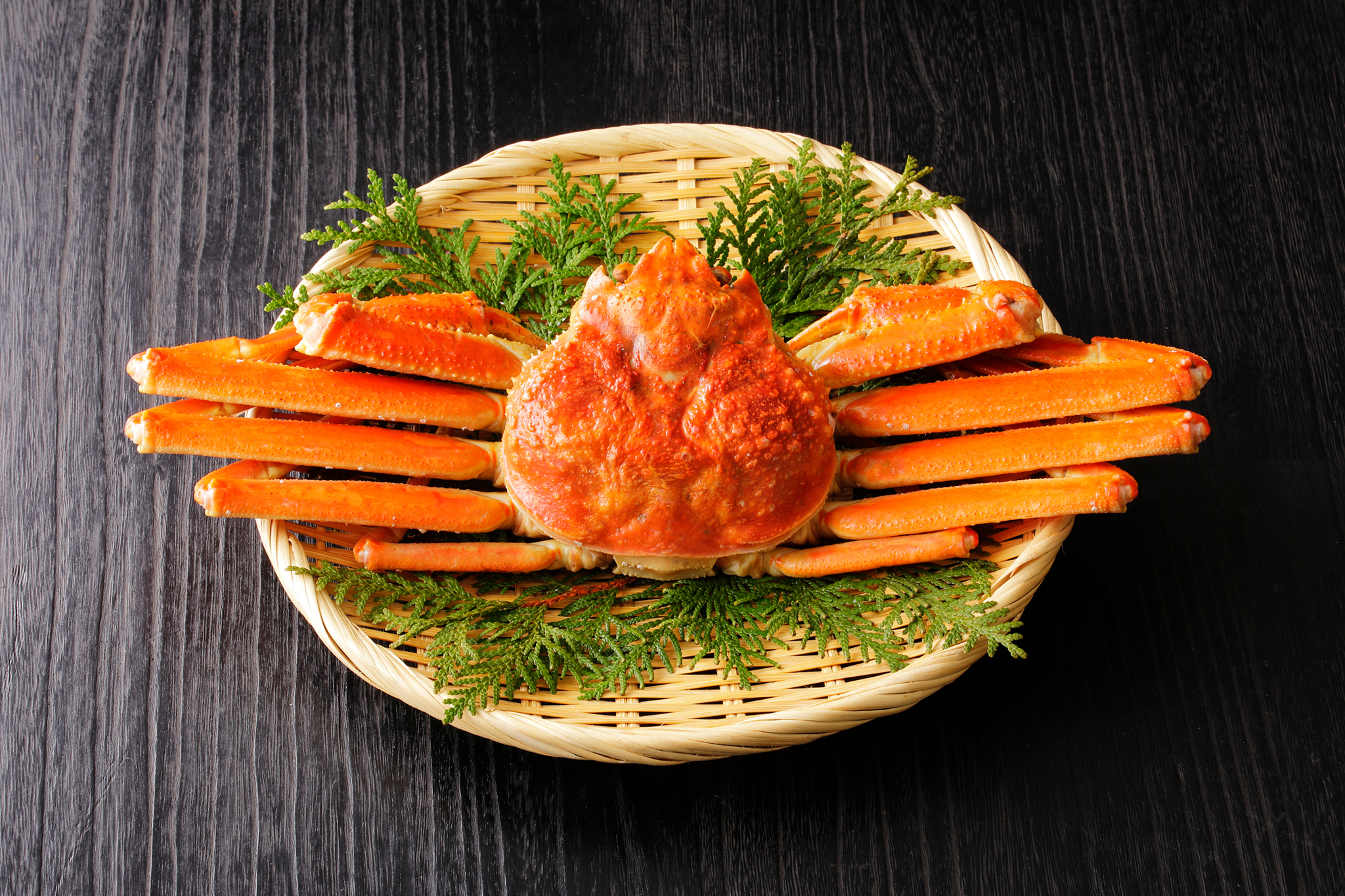
Fortunately for Gulf of St. Lawrence snow crab harvesters, nearly 95% of their quota has already been landed. This year, Area 12 in the Gulf had a revised quota of 22,082.695 metric tonnes, of which 20,935.3 tonnes (94.8%) had been landed as of May 21. Harvesters have only 1,147.395 tonnes left to catch.

Quota Status Across Regions

In other regions, harvesters are also making significant progress. In the Maritimes Region, CFA 20-22 has landed 92.83% of its 937.635 metric tonnes quota as of May 22, leaving 67.195 metric tonnes remaining. However, CFA 23-24E has only caught 43.30% of its 7,345.080 metric tonnes quota, with 4,164.722 tonnes still to be harvested.

In Newfoundland and Labrador, 42% of the 57,145 metric tonnes quota has been caught, leaving 33,043 metric tonnes remaining this season.

Labor Disputes in Newfoundland and Labrador

The Newfoundland and Labrador snow crab season wouldn’t be complete without some drama. This year, a pricing standoff between harvesters and processors lasted a week before an agreement was reached. Now, plant workers are threatening a strike over wages.

The Fish, Food & Allied Workers (FFAW) Union is pushing for higher wages for plant workers, who currently earn between $16 and $18 per hour and have been without a deal since December. With the rising cost of living, the workers are demanding better pay.

“Companies have record profits, while employees work backbreaking, hard labor every fishing season, often six days a week for 10-12 hours per day,” said FFAW President Greg Pretty. “This is not easy work, and if companies want to retain this important workforce, they need to pay them a living wage.”

Potential Strike Actions

The ongoing labor disputes affect several processing plants, including Beothic Fish Processors in New-Wes-Valley, Ocean Choice International in Bonavista and Triton, and Barry Group in Witless Bay. FFAW has indicated that the 375 processing employees at Beothic will be in a legal position to take a strike vote this Sunday if a deal is not reached. Similarly, employees at the other plants could be in a position to strike by the end of the month.

Despite these challenges, crab is already being processed, and closures for select areas are set to begin as early as June 30.

Conclusion

The temporary grid closures in the Gulf of St. Lawrence highlight the delicate balance between protecting endangered species and sustaining fisheries. While harvesters are on track with their quotas, labor disputes add another layer of complexity to this year’s snow crab season. The coming weeks will be crucial for both conservation efforts and labor negotiations.

The original articles pre-edited are available at SeafoodNews.com.

 

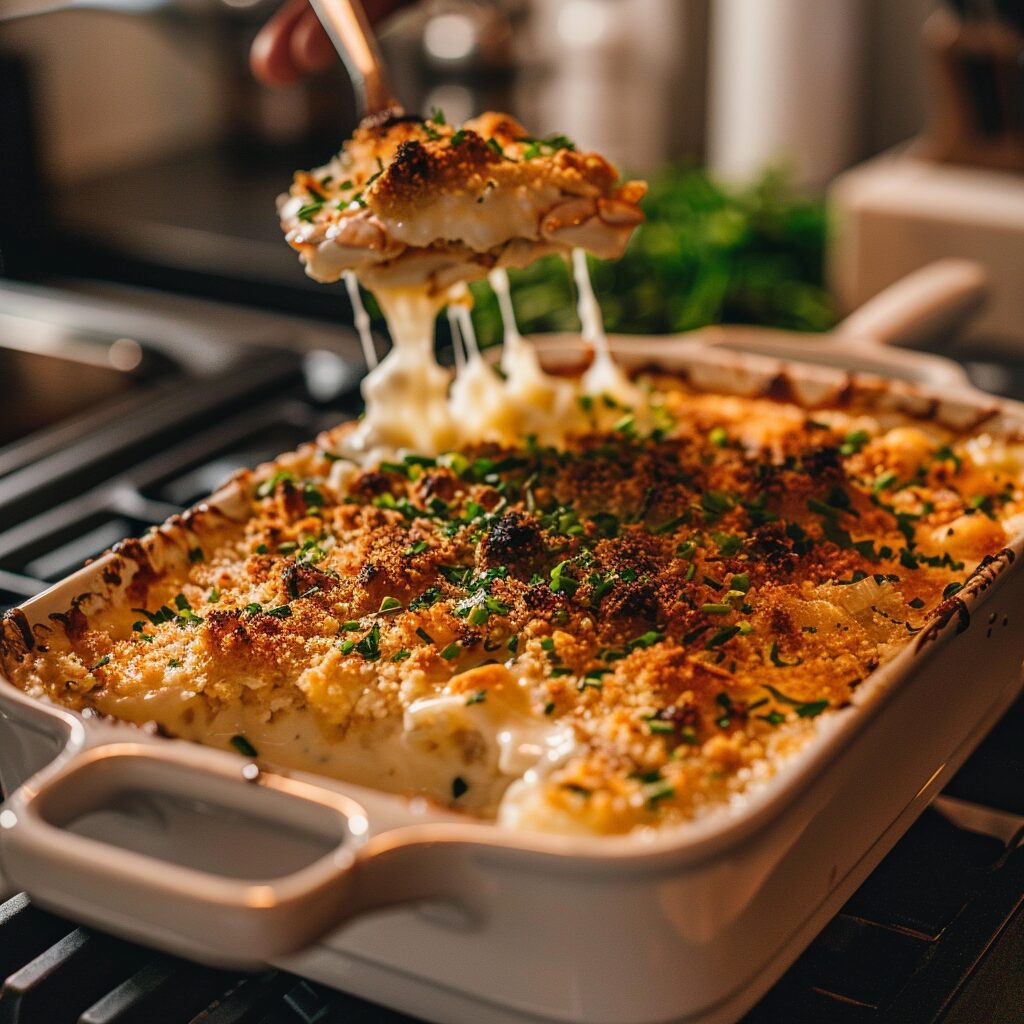
Crab Au Gratin

Ingredients:

• 1/2 cup (1 stick) unsalted butter

• 1 medium onion, finely chopped

• 2 tablespoons green onions, sliced

• 1 clove garlic, minced

• 2 large egg yolks, slightly beaten

• 1 (12 oz.) can evaporated milk

• 2 tablespoons all-purpose flour

• Juice of one lemon

• 1 teaspoon sriracha

• 1 teaspoon Kosher salt

• 1/2 teaspoon cayenne pepper

• 1/2 teaspoon black pepper

• 1/2 cup grated Gruyere cheese

• 1/2 cup grated Fontina cheese

• 1 lb. Signature Catch® lump crab meat

Breadcrumb Top:

• 1 tablespoon butter

• 1/2 cup bread crumbs

• 1 clove garlic, pressed

• 2 tablespoons parsley, divided

Instructions:

Preheat the oven to 350°F (175°C).

In a large skillet over medium-high heat, melt the butter.

Add the onion, green onions, and garlic, cooking until softened, about 5 minutes.

While the vegetables cook, vigorously whisk together the egg yolks and evaporated milk in a small bowl; set aside.

Add flour to the skillet, blending well to create a white roux without browning the flour, about 2 minutes.

Using a whisk, slowly add the milk mixture to the skillet, stirring constantly until blended.

Stir in lemon juice, sriracha, salt, cayenne, and black pepper, cooking for another 4-5 minutes until the sauce reaches a thick, creamy consistency. If too thick, add a little water or milk.

Remove from heat and fold in half of the grated cheese until fully melted and incorporated.

Gently spread the crab meat in a greased 8″x8″ baking dish.

Pour the cheese sauce over the crab, then sprinkle with the remaining grated cheese on top.

For the breadcrumb topping:

In a saucepan, melt butter. Add pressed garlic and sauté until fragrant, about one minute.

Add breadcrumbs and 1 tablespoon of parsley, stirring until mixed. Spread evenly across the top of the crab mixture.

Bake until bubbly, about 15 minutes. Then switch the oven to broil and broil until the breadcrumbs begin to brown, about 5 minutes. Be careful not to burn.

Remove from the oven, sprinkle with the remaining parsley, and serve immediately!

Embracing the Benefits of Pasteurized Deep Sea Crab

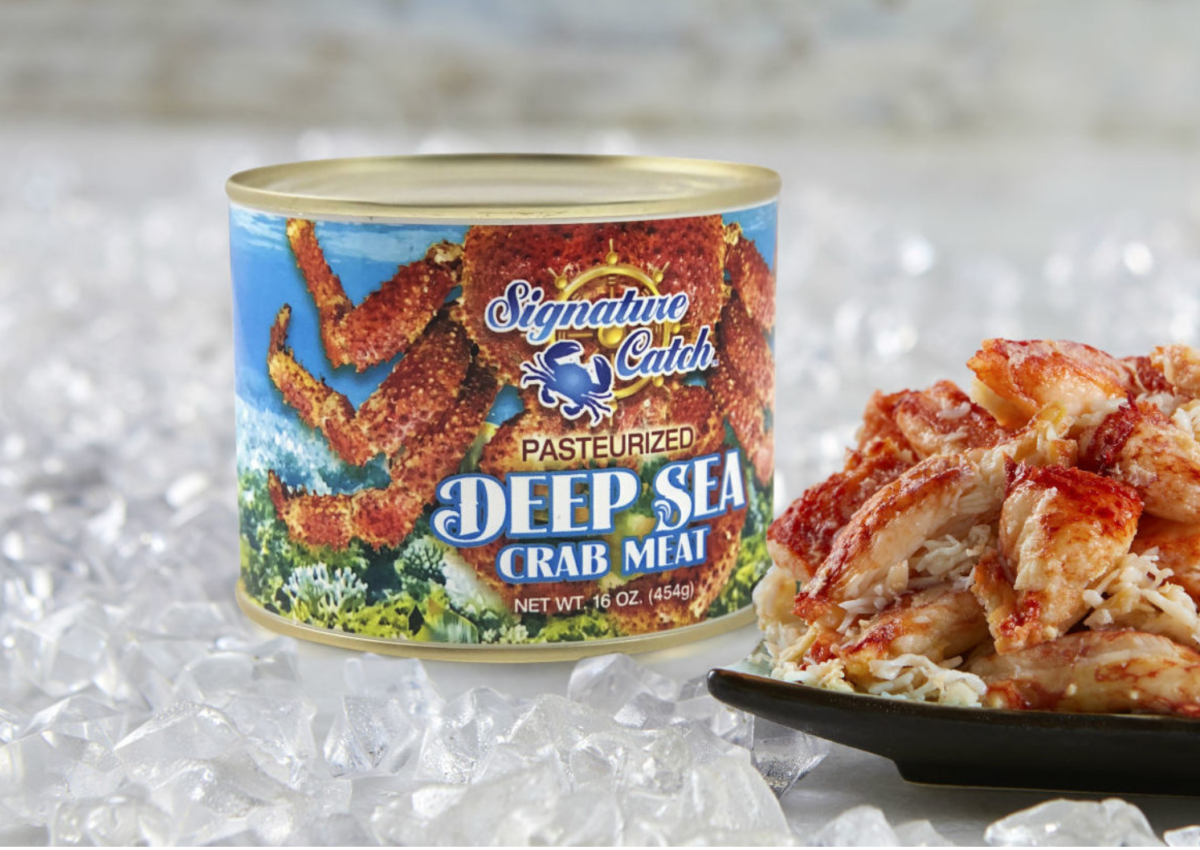
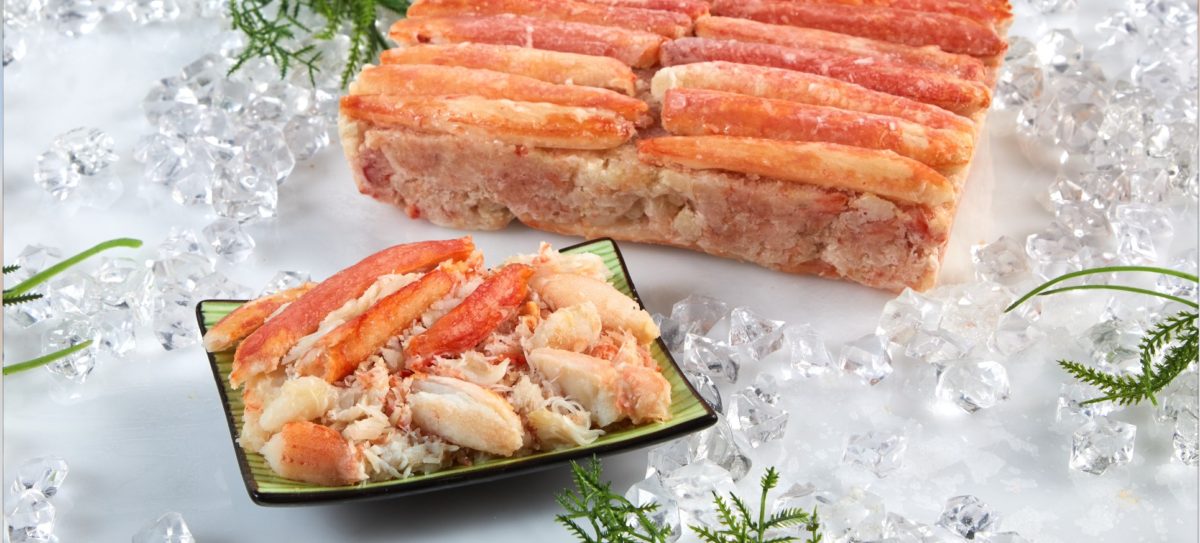
Deep Sea Crab meat, celebrated for its succulence and delicate flavor, adds vibrancy to dishes with its range of colors, from whites and yellows to a deep red. Similar in taste, color, and texture to snow crab but at a more affordable price point, it opens doors to a wider variety of culinary applications.

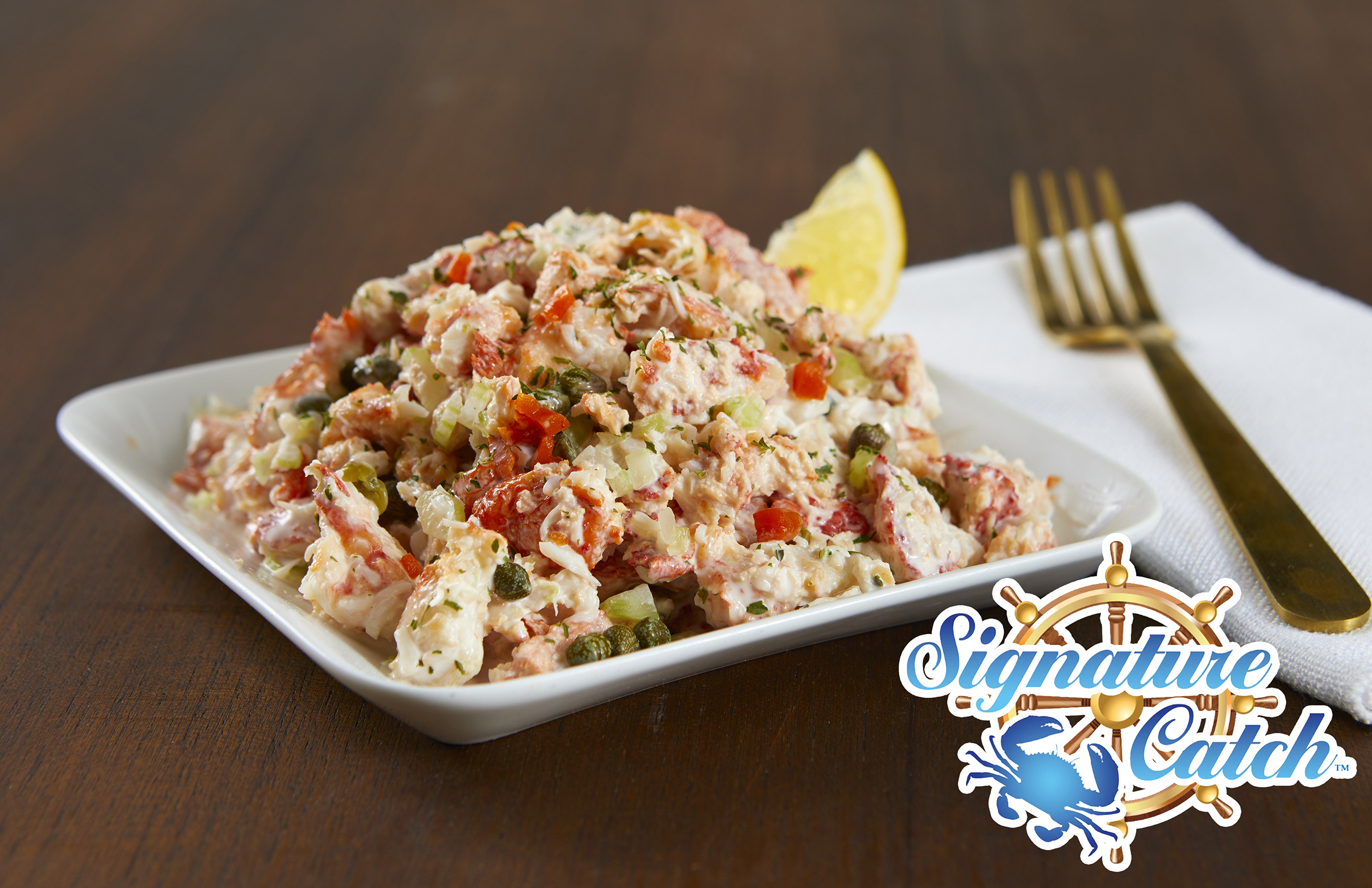
Signature Catch Snow Crab Salad - Supreme Crab Loaded with protein, vitamins, and minerals, pasteurized Deep Sea Crab offers nutritional benefits such as immune support and promoting a healthy metabolism. Its inclusion in meals adds both flavor and nourishment, contributing to overall well-being.
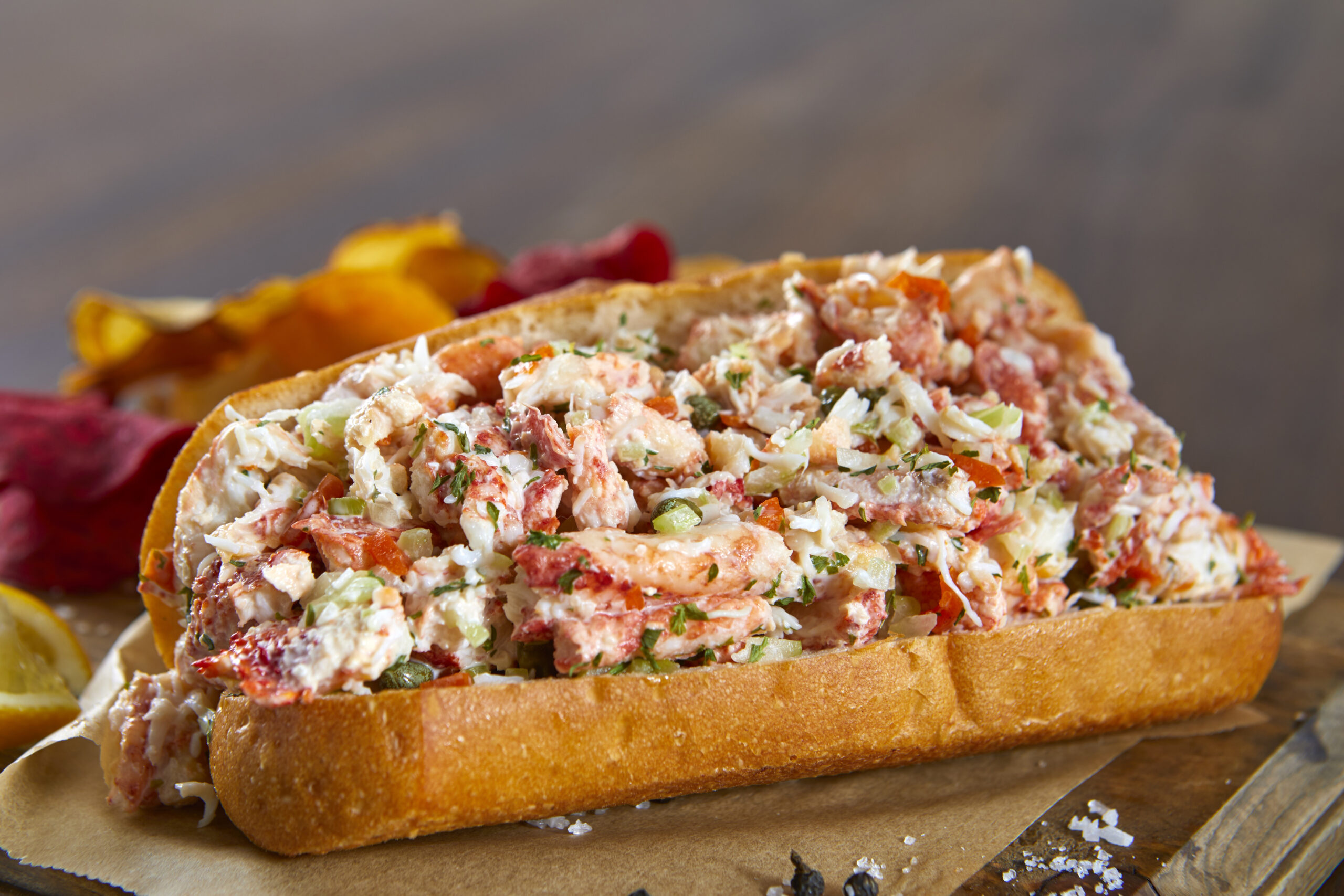

From seafood platters to pasta dishes, pasteurized Deep Sea Crab lends itself to a wide array of recipes, sparking creativity and culinary experimentation. Its adaptable nature allows chefs and home cooks alike to explore diverse flavor profiles and cooking techniques, enhancing the dining experience.

Convenience and Storage: Refrigerated one-pound cans of pasteurized Deep Sea Crab offer convenience and ease of storage, making it accessible for both home and professional kitchens. This ensures that its freshness and quality are maintained, ready to be utilized whenever inspiration strikes. When subjected to pasteurization, this seafood undergoes a gentle treatment that preserves its taste, nutrients, and safety, ensuring a delightful culinary experience with each bite.Signature Catch Snow Crab Roll - Supreme Crab

Pasteurized Deep Sea Crab strikes a harmonious balance between exceptional taste, safety, and nutritional value, making it a versatile and practical choice for seafood enthusiasts. Whether enjoyed alone or incorporated into culinary creations, it guarantees a gratifying dining experience that’s both flavorful and nourishing. Embrace the benefits of pasteurized Deep Sea Crab and elevate your culinary adventures to new heights.

Crab with scallops and Ginger

Ingredients:

  • 2 pounds of Marazzure® Whole Cleaned Crabs
  • 3 tablespoons of ginger, thinly sliced
  • ¼ cup of diced scallions
  • 3 cloves of garlic, minced
  • 4 tablespoons of cornstarch (reserve 1 tablespoon)
  • 4 tablespoons of vegetable oil
  • 1 cup of water
  • 1 tablespoon of cooking wine
  • 1 tablespoon of sesame oil

For the Sauce:

  • 2 tablespoons of oyster sauce
  • 3 tablespoons of soy sauce or tamari soy sauce
  • ¼ teaspoon of white pepper
  • ½ teaspoon of sugar

Instructions:

Thaw and wash the Marazzure® Whole Cleaned Crabs. Cut the crabs in half vertically.

Slice the ginger thinly and cut the scallions into 2-inch segments. Mince the garlic.

In a bowl, thoroughly mix the oyster sauce, soy sauce, white pepper, and sugar to create the sauce. Set aside.

Sprinkle the crab halves with cornstarch.

Heat vegetable oil in a wok over high heat. Once it shimmers, carefully add the crab pieces, ensuring they are evenly coated with oil. Cook for 1 minute, then flip and continue cooking until golden brown on all sides.

Remove the crabs from heat and add the ginger and the white parts of the scallions. Return to heat and fry until fragrant.

Add cooking wine and water, then cover to steam. Cook for 3 minutes.

While the crabs are cooking, prepare a slurry by mixing 1 tablespoon of cornstarch with 1 tablespoon of water.

After 3 minutes, taste the sauce and adjust seasoning if needed. Then, add the slurry and stir until the sauce thickens. Add the remaining scallions.

Drizzle with sesame oil as a finishing touch before serving.


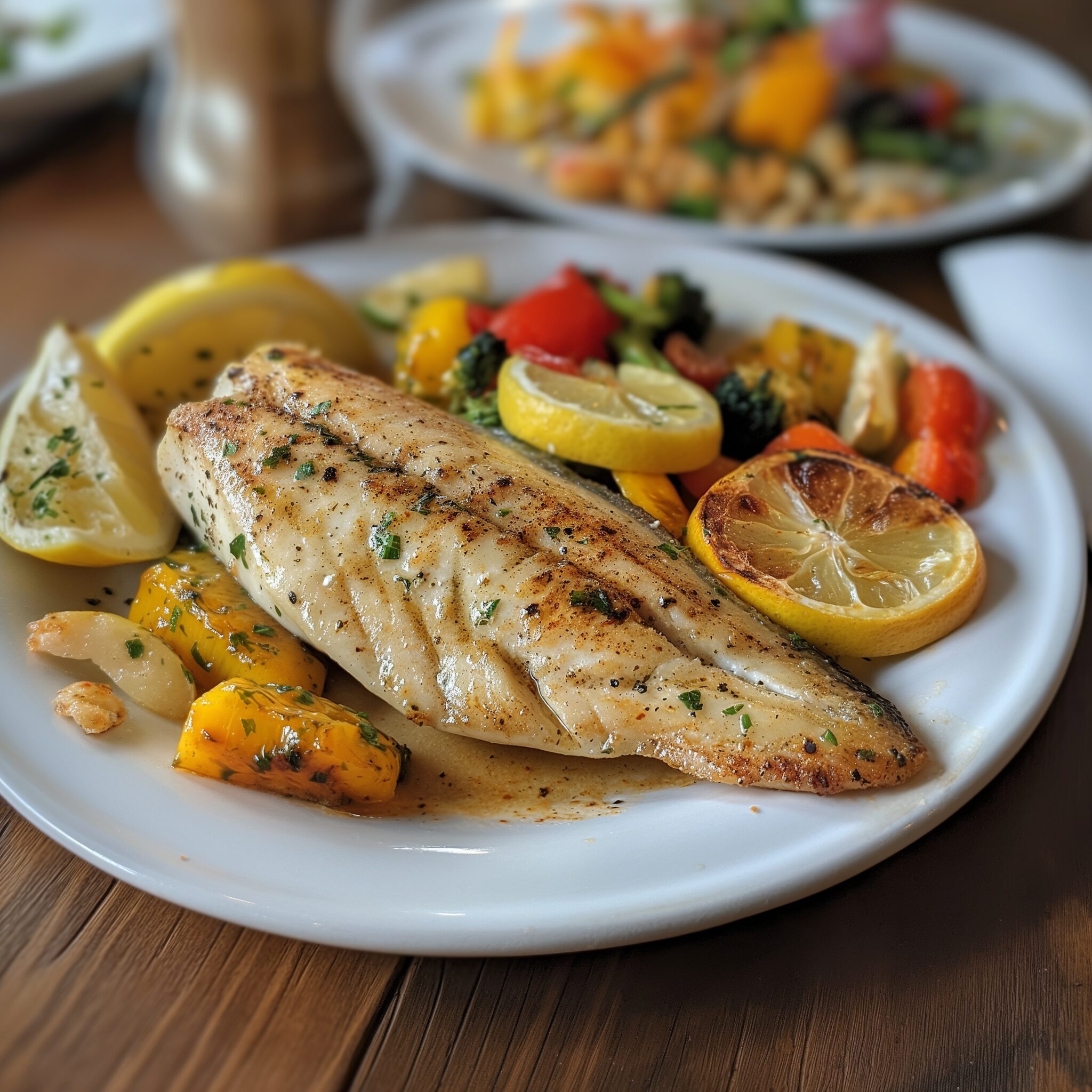
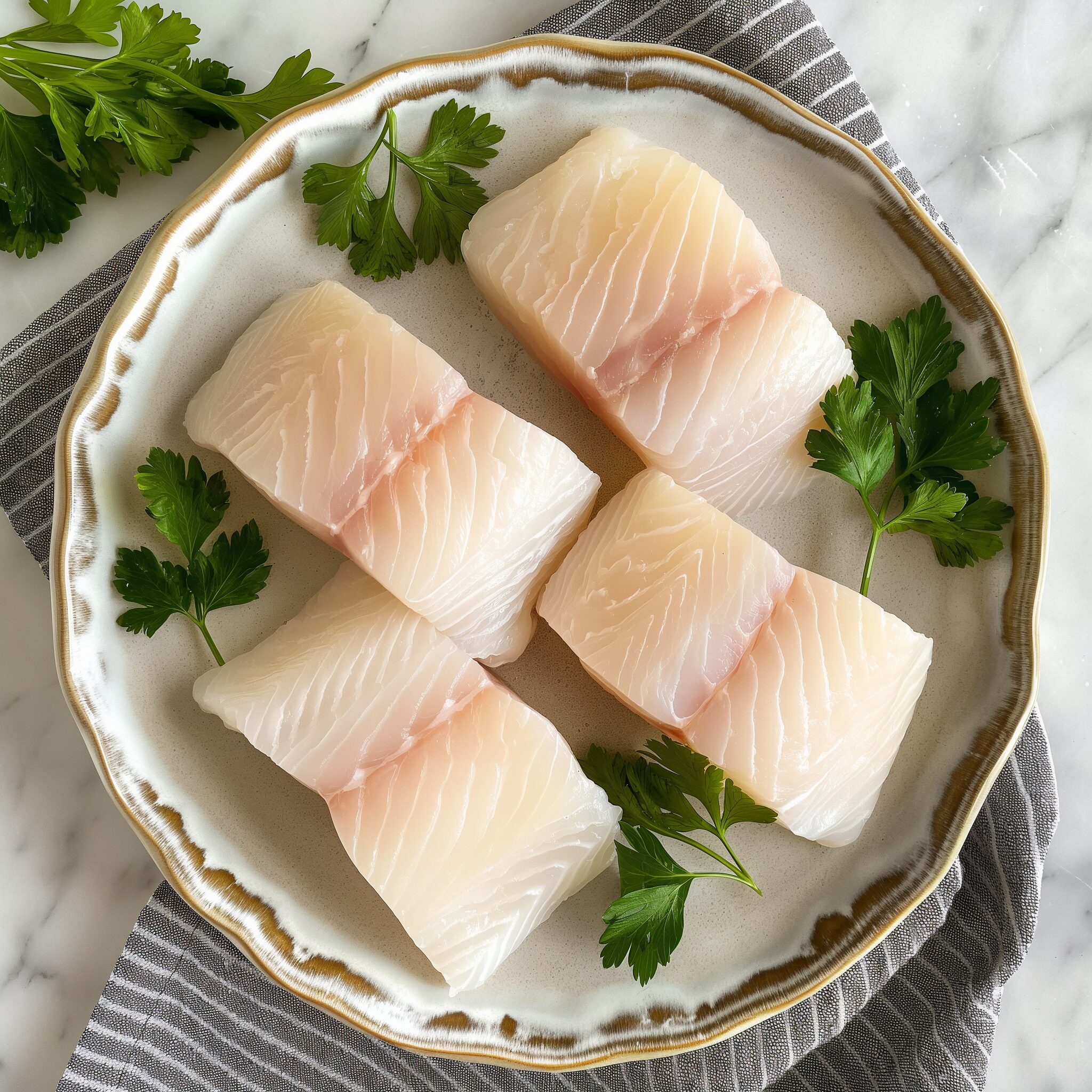
Unveiling the Health Benefits of Flounder: A Nutrient-Packed Seafood Option

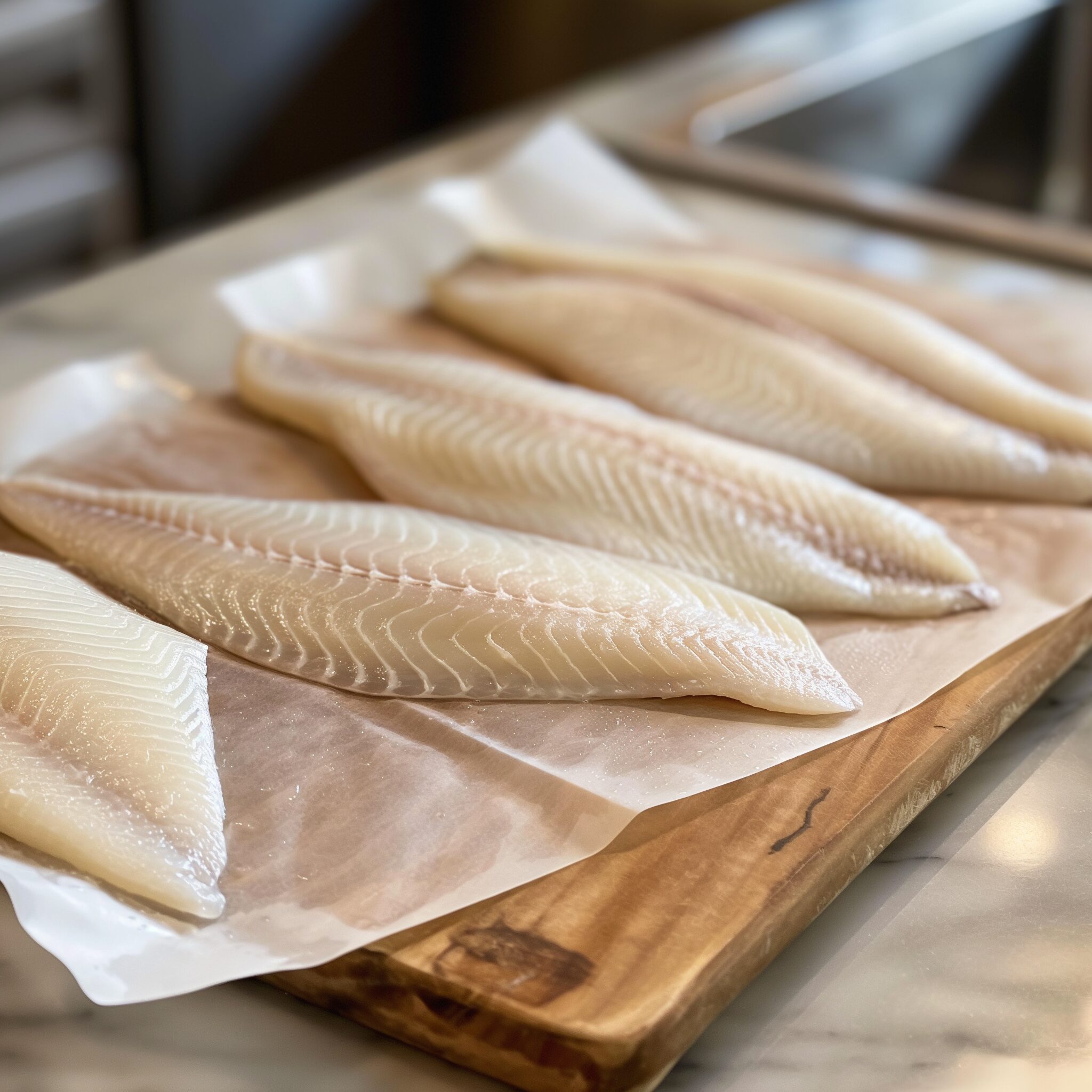
When it comes to seafood, flounder might not be the first fish that comes to mind. However, this flatfish offers a plethora of health benefits that are worth exploring. From its rich nutrient profile to its versatility in the kitchen, flounder deserves a place on your plate. Let’s dive deeper into the health benefits of this underrated seafood option.

Nutrient-Rich Profile: Flounder is not only delicious but also packed with essential nutrients. It is an excellent source of protein, making it an ideal choice for individuals looking to meet their daily protein needs. Additionally, flounder is low in calories and saturated fats, making it a heart-healthy option for those watching their weight and cholesterol levels.

Omega-3 Fatty Acids: One of the standout health benefits of flounder is its high omega-3 fatty acid content. Omega-3 fatty acids are essential fats that play a crucial role in brain function, heart health, and reducing inflammation in the body. Incorporating flounder into your diet can help boost your omega-3 intake, promoting overall well-being and reducing the risk of chronic diseases such as heart disease and arthritis.

Rich in Vitamins and Minerals: Flounder is also a good source of vitamins and minerals that are vital for optimal health. It contains vitamins B12 and B6, which are essential for energy metabolism and neurological function. Additionally, flounder is rich in minerals such as phosphorus, selenium, and potassium, which support bone health, immune function, and electrolyte balance.

Low in Mercury: Unlike some larger predatory fish, flounder is low in mercury, making it a safer seafood option, especially for pregnant women and young children. Mercury exposure can have harmful effects on the nervous system and development, so choosing low-mercury fish like flounder can help reduce the risk of mercury toxicity while still enjoying the benefits of seafood.

Versatility in the Kitchen: Flounder’s mild flavor and delicate texture make it a versatile ingredient that can be incorporated into a wide range of dishes. Whether baked, grilled, sautéed, or fried, flounder adapts well to various cooking methods and pairs beautifully with a variety of herbs, spices, and sauces. From classic dishes like flounder piccata to creative recipes like flounder tacos, the possibilities are endless.

In conclusion, flounder is not only a delicious seafood option but also a nutrient-packed powerhouse that offers numerous health benefits. From its high protein content to its omega-3 fatty acids and array of vitamins and minerals, flounder deserves a place in your diet. Whether you’re looking to support heart health, boost brain function, or simply enjoy a tasty meal, consider adding flounder to your menu for a nutritious and satisfying dining experience.


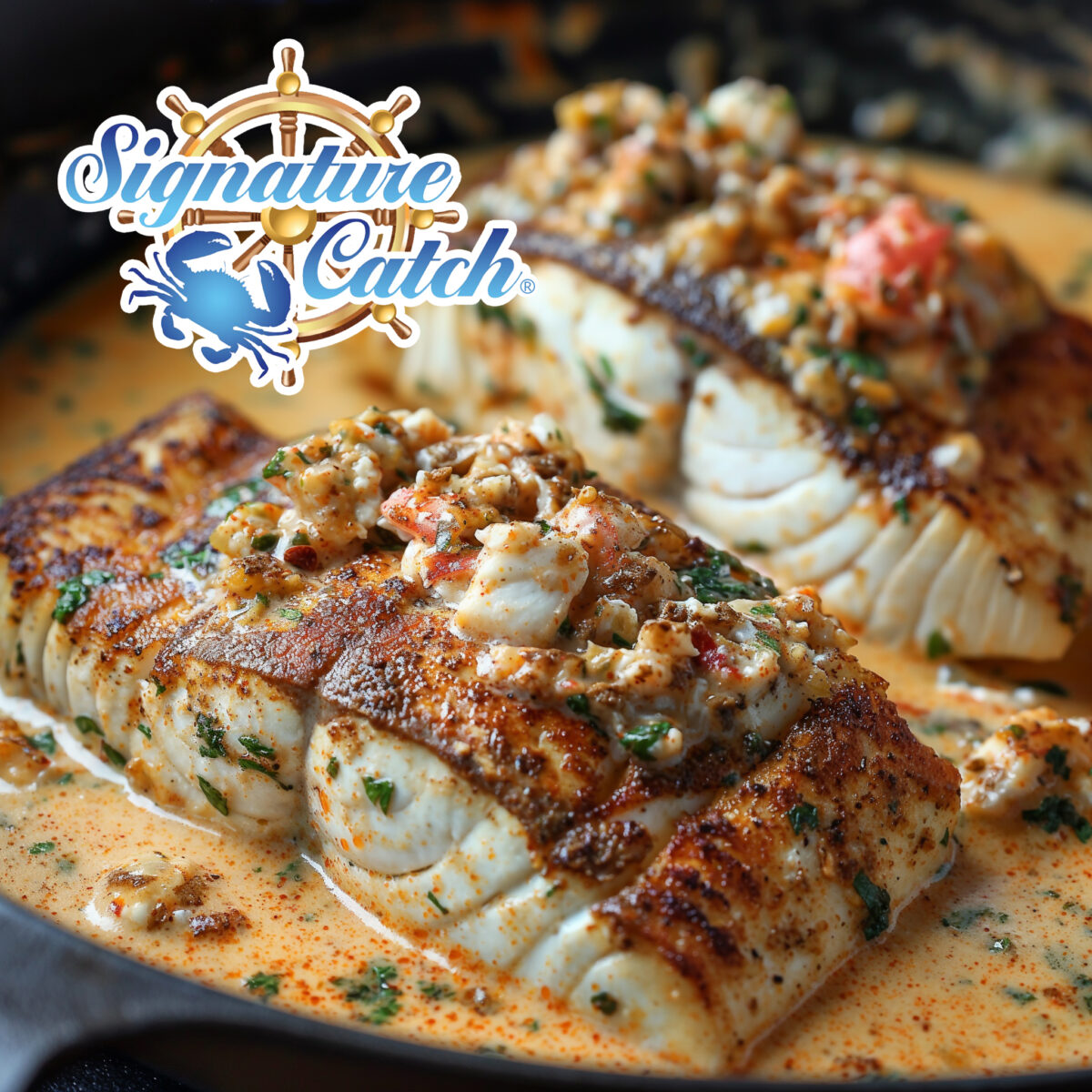
Scarlet Snapper with a Cajun-infused seafood sauce


Ingredients:

4 fillets of Signature Catch® red snapper

½ cup Cajun seasoning

8 oz Signature Catch® Lump crab meat

2 tablespoons olive oil

2 tablespoons butter


For the Sauce:

2 tablespoons butter

3 cloves garlic, minced

1 teaspoon freshly chopped parsley

¼ cup white wine

1 cup heavy cream

1 tablespoon Cajun seasoning

½ teaspoon lemon zest

1 lemon wedge

2 tablespoons grated Parmesan cheese

Instructions:

Heat olive oil and butter in a large skillet over medium-high heat.
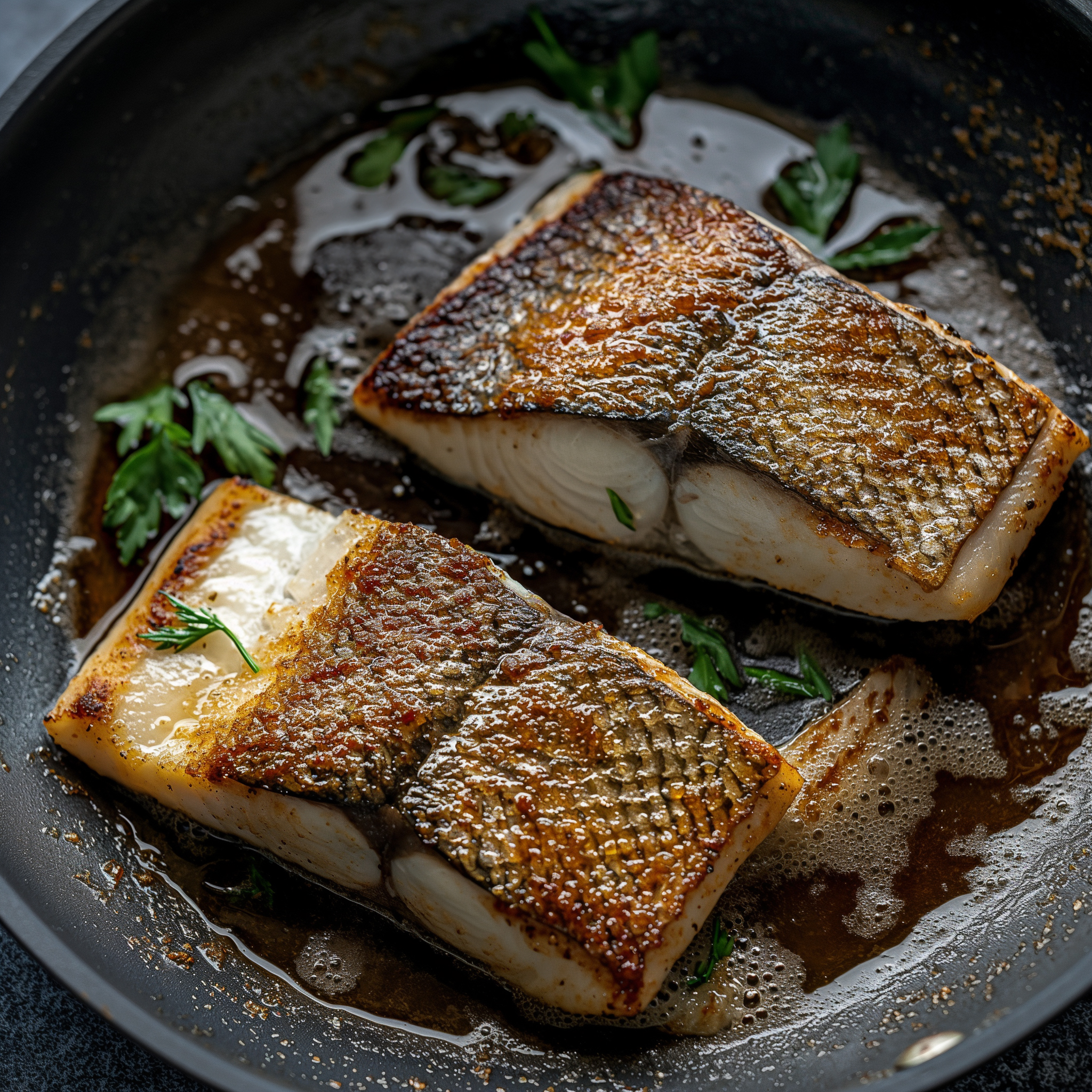
Season both sides of the snapper fillets with salt, pepper, and Cajun seasoning.

Carefully place the snapper fillets in the skillet and cook until lightly browned on both sides and flakes easily. Transfer the cooked snapper to a plate.

In the same skillet, melt 2 tablespoons of butter over medium heat. Add minced garlic and chopped parsley, and sauté for 1-2 minutes.

Pour in white wine and allow it to reduce for 3-4 minutes.

Add heavy cream and Cajun seasoning to the skillet. Whisk to combine and let it simmer for 8-10 minutes, stirring occasionally until the sauce thickens slightly.

Stir in lump crab meat until heated through. Add lemon zest, squeeze in the lemon wedge, and sprinkle grated Parmesan cheese over the sauce.

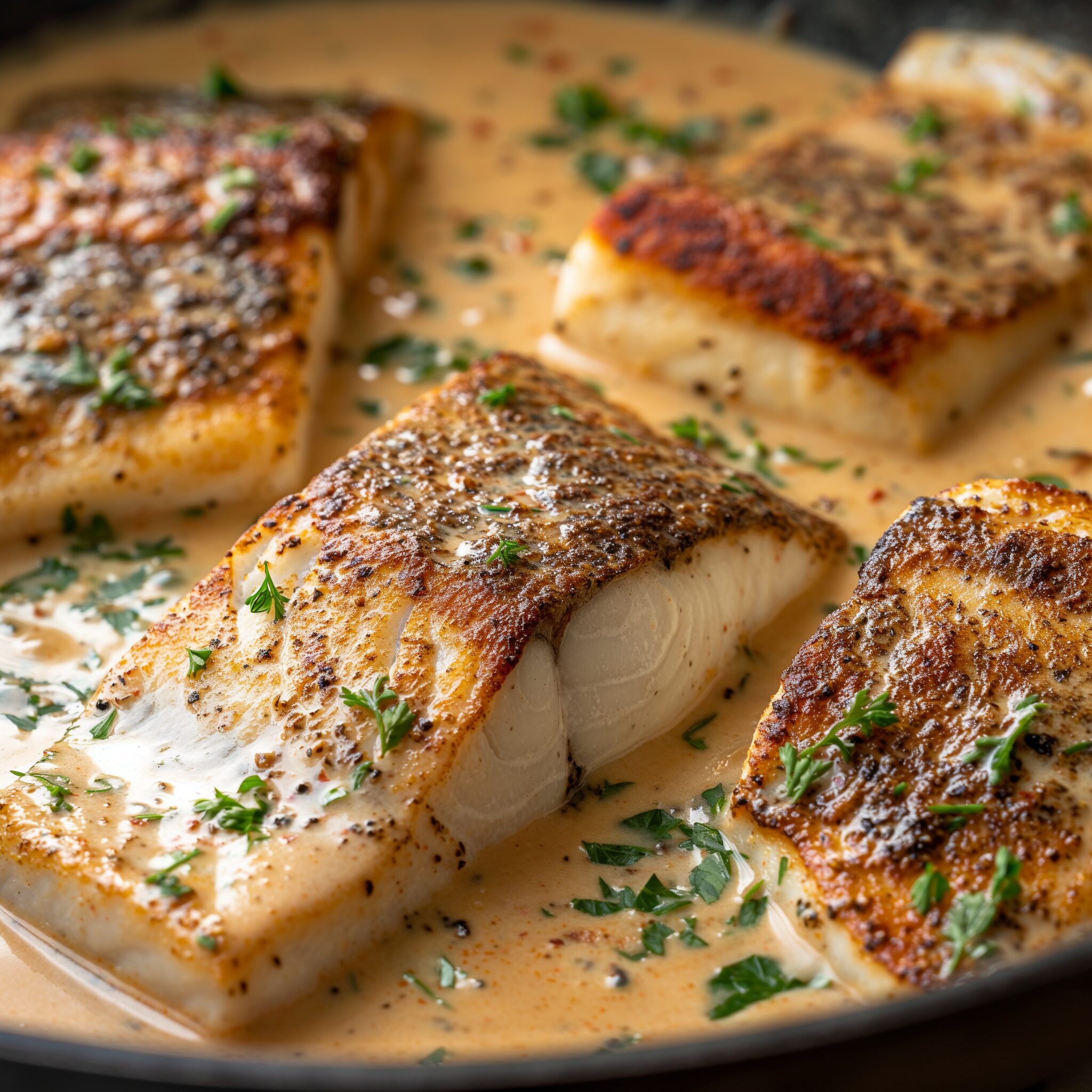
Return the cooked snapper fillets to the skillet, covering them with the sauce. Ensure the fish is heated through.

Serve hot, garnished with additional parsley if desired. Enjoy the delightful Scarlet Snapper with its flavorful Cajun seafood sauce.

Snow Crab Adapting to Ocean Acidification

As carbon emissions continue to acidify oceans, some marine species face challenges while others adapt. Recent research indicates that Alaska snow crab, a commercially important species, may already possess adaptations to endure acidity levels projected for the next 200 years.

Biologists from NOAA Fisheries’ Alaska Fisheries Science Center led the first study examining how ocean acidification affects snow crab. Through laboratory experiments, they assessed long-term impacts on various stages of the crab lifecycle, including embryos, larvae, and adults. Remarkably, they found no adverse effects on any life stage, even under acidity levels expected in the Bering Sea over the next two centuries.

Emissions from human activities have elevated atmospheric carbon dioxide levels, leading to increased ocean acidity as the ocean absorbs about 30% of emitted carbon. This acidification jeopardizes the survival and development of numerous marine species, including commercially valuable shellfish such as mussels, oysters, and crab. Previous experiments revealed adverse effects on red, blue, golden king, and southern Tanner crab due to acidification.

To initiate the experiments, mature female snow crabs were collected and held at the Alaska Fisheries Science Center’s Kodiak Laboratory for two years in seawater acidified to mimic future conditions. Their offspring were studied to assess acidification effects on embryo development, hatching success, and larval growth. Upon conclusion, the researchers examined adult females’ shells for damage, particularly crucial as snow crabs have long lifespans.

The absence of shell damage after two years instilled confidence in the study’s results. These findings provide valuable insights for fishery managers and communities adapting to future changes, shedding light on how species may adapt to ocean acidification.

Although snow crabs confront ongoing threats like warming temperatures and melting sea ice, it appears that acidification may not be a significant concern for them.

The original article pre-edited is available at https://www.fisheries.noaa.gov/

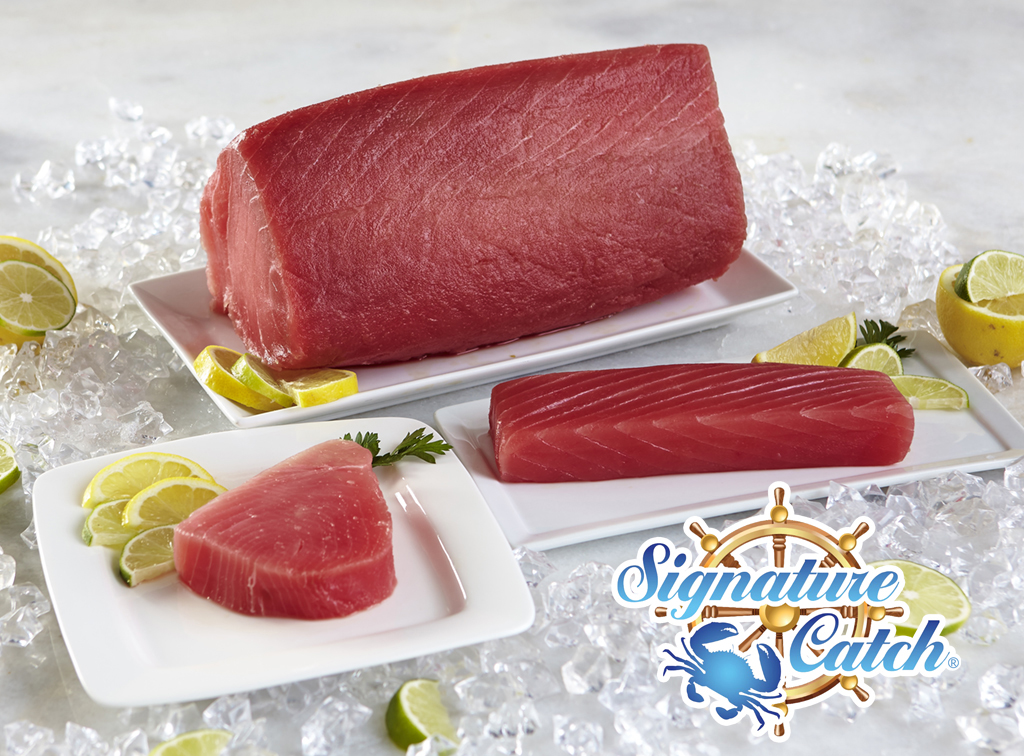
Frozen Sashimi Quality Yellowfin Tuna

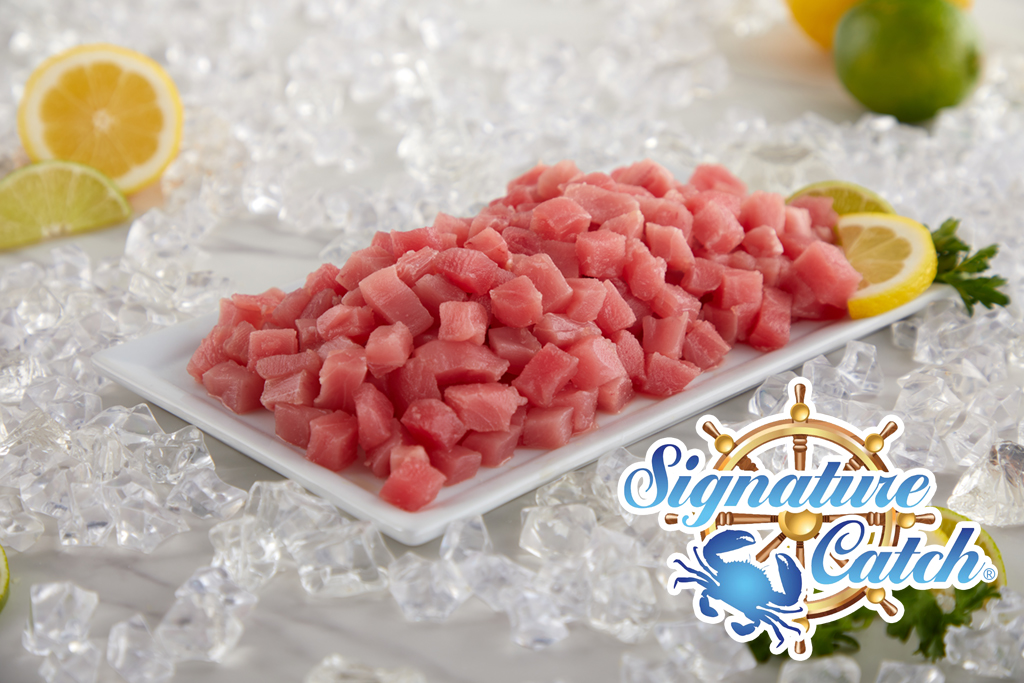
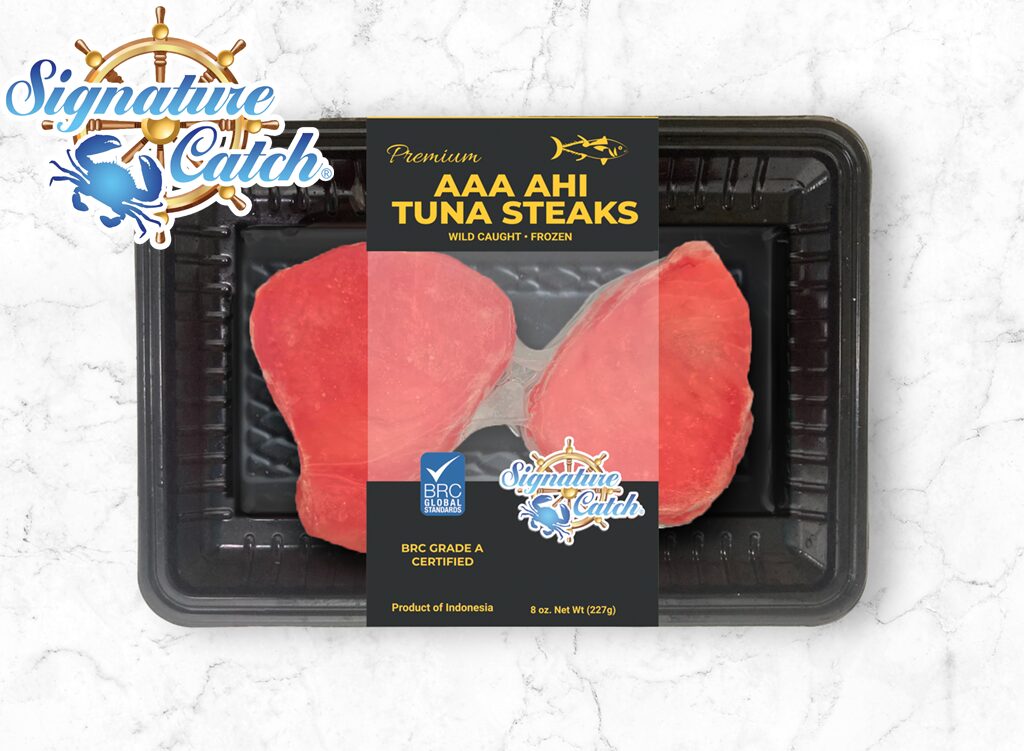
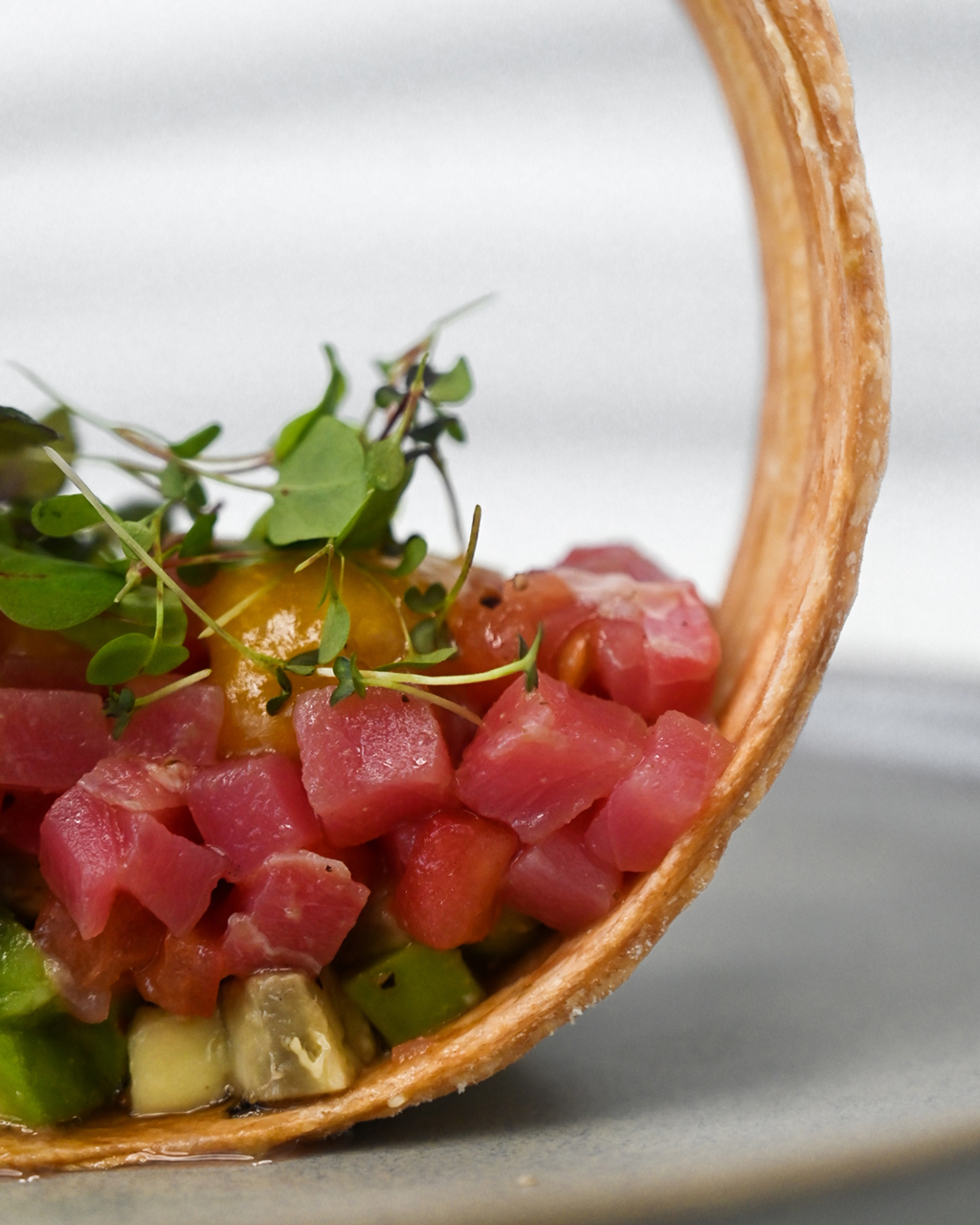
In the pursuit of exceptional seafood offerings that redefine taste, quality, and versatility, we present our exquisite range of Frozen Sashimi Quality Yellowfin Tuna. Our selection of tuna steaks, loins, and poke cubes caters to the discerning needs of chain restaurants and food distributors, promising a superior culinary experience.

Supreme Quality, Supreme Taste.

Our Frozen Sashimi Quality Yellowfin Tuna signifies:

Premium Grade: Indulge in sashimi-grade, grade A tuna meticulously selected to ensure consistent quality and taste across our range of cuts.

Preserved Freshness: Flash-frozen at the pinnacle of freshness, our tuna maintains its vibrant color, firm texture, and exceptional taste.

Versatile Offerings: From tuna steaks adaptable to various cooking methods to whole tuna loins fostering culinary creativity and precisely cut poke cubes for convenience, our range meets diverse menu demands.

Retail Packaging Tailored to Perfection

As advocates for convenience and brand alignment, we offer customizable retail packaging options:

Branded Labels and Sleeves: Personalize packaging with your logo, brand details, and product information, creating instant recognition and reinforcing brand loyalty.

Variable Pack Sizes: Choose from an array of pack sizes catering to retail sales and kitchen usage in chain restaurants, allowing for flexible portioning.

Practicality Meets Premium Quality

Our commitment extends beyond exceptional seafood:

Extended Shelf Life: Frozen tuna guarantees an extended shelf life, minimizing waste and ensuring consistent availability for both retail and restaurant purposes.

Enhanced Visibility: Customized retail packaging acts as a powerful marketing tool, enhancing shelf presence and attracting customers with quality and reliability.

Efficient Inventory Management: Flexible packaging options align with varying inventory needs, offering ease of storage and efficient stock management.

Partnering for Culinary Success

By choosing our Frozen Sashimi Quality Yellowfin Tuna, you’re not just procuring seafood; you’re investing in culinary excellence. Partner with us for:

Reliable Supply and Quality: Expect unwavering quality and supply, enabling your chain restaurant or food distribution outlet to offer consistent excellence.

Join us in elevating your brand’s seafood offerings with Frozen Sashimi Quality Yellowfin Tuna and customizable retail packaging solutions. Contact us today to explore our range, discuss packaging options, and embark on a journey that amplifies your brand’s culinary distinction and customer appeal.


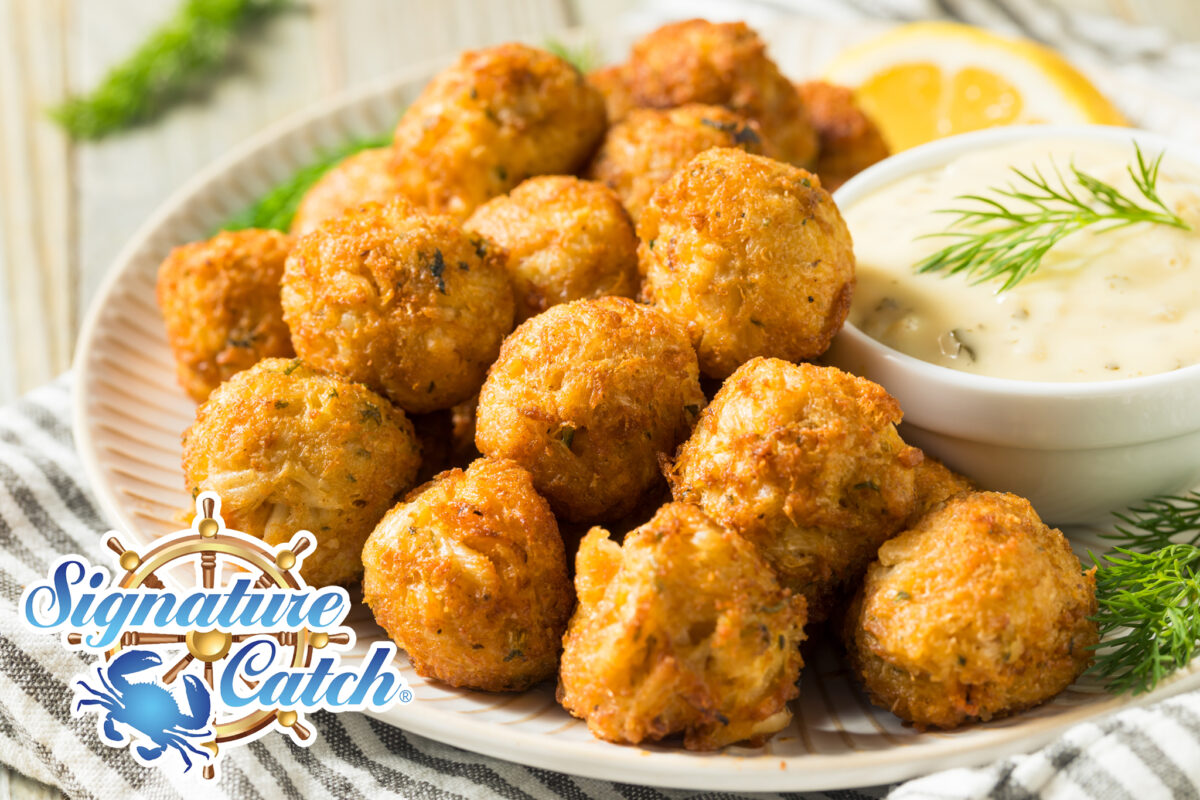
Crab Cake Bites with Remoulade Sauce


Ingredients:

For the Crab Cake Bites:

1/2 cup mayonnaise

1 egg

2 tablespoons chopped fresh chives

1 teaspoon Worcestershire sauce

1 teaspoon Dijon mustard

1 1/2 teaspoons Old Bay™ seafood seasoning

1 teaspoon fresh lemon juice

2 containers (8 oz each) refrigerated pasteurized Signature Catch® lump crabmeat, cleaned

2/3 cup plain panko crispy breadcrumbs


For the Remoulade Sauce:

2/3 cup mayonnaise

1 tablespoon Dijon mustard

1 tablespoon lemon juice

1 tablespoon chopped chives

1 teaspoon Worcestershire sauce

1 teaspoon lemon zest

1/2 teaspoon smoked paprika

1/8 teaspoon cayenne pepper

Salt and pepper to taste


Instructions:

Preheat the oven to 400°F and line a large cookie sheet with cooking parchment paper.

In a medium bowl, combine 1/2 cup mayonnaise, egg, chives, Worcestershire sauce, Dijon mustard, seafood seasoning, and lemon juice. Mix well.

Gently fold in the crabmeat and bread crumbs until thoroughly blended. The mixture will be moist.

Using a measuring tablespoon, shape the mixture into 36 (1 1/2-inch) balls and place them on the prepared cookie sheet.

Bake the crab cake bites for 16 to 20 minutes, or until they are lightly browned and hot in the center. Allow them to cool for 5 minutes.

While the crab cake bites are cooling, prepare the Remoulade Sauce. In a small bowl, combine the mayonnaise, Dijon mustard, lemon juice, chopped chives, Worcestershire sauce, lemon zest, smoked paprika, cayenne pepper, salt, and pepper. Mix until well blended.

Serve the crab cake bites with the Remoulade Sauce and lemon wedges on the side.

Enjoy your delicious Crab Cake Bites with flavorful Remoulade Sauce!


The Health Marvel: Unveiling the Spectacular Benefits of Yellowfin Tuna

In the realm of nutritious seafood options, few contenders shine as brightly as the illustrious yellowfin tuna. Revered for its sumptuous taste and unparalleled health benefits, yellowfin tuna emerges as a culinary gem that not only tantalizes the taste buds but also nurtures the body with an array of essential nutrients. Let’s delve into the captivating world of yellowfin tuna and uncover the myriad health advantages it bestows upon those who indulge in its savory delights.

A Bounty of Protein Power

At the heart of yellowfin tuna’s nutritional prowess lies its exceptional protein content. Boasting a generous supply of high-quality protein, yellowfin tuna stands as a formidable ally for muscle development, repair, and overall bodily function. Protein serves as the building blocks of life, fostering muscle growth, supporting immune health, and promoting satiety to stave off hunger cravings. With each succulent bite of yellowfin tuna, you nourish your body with the essential amino acids it needs to thrive.

Omega-3 Fatty Acids: Guardians of Cardiovascular Health

Yellowfin tuna emerges as a veritable treasure trove of omega-3 fatty acids, wielding potent benefits for cardiovascular wellness. Omega-3s, renowned for their anti-inflammatory properties, play a pivotal role in reducing the risk of heart disease, lowering levels of triglycerides, and maintaining optimal blood pressure. By incorporating yellowfin tuna into your diet, you fortify your cardiovascular defenses, paving the way for a heart-healthy lifestyle brimming with vitality and vigor.

Abundant in Essential Vitamins and Minerals

Enriched with a plethora of essential vitamins and minerals, yellowfin tuna emerges as a nutritional powerhouse capable of bolstering overall well-being:

  • Vitamin D: Essential for bone health and immune function, vitamin D promotes calcium absorption, strengthens bones, and fortifies the body’s natural defenses against illness and infection.
  • Vitamin B12: Vital for neurological health and red blood cell production, vitamin B12 supports cognitive function, enhances energy levels, and prevents the onset of anemia.
  • Selenium: A potent antioxidant, selenium safeguards cells from oxidative damage, reduces inflammation, and promotes thyroid health.
  • Potassium: Crucial for maintaining electrolyte balance and regulating blood pressure, potassium supports heart health and muscle function, ensuring optimal performance and vitality.

Low in Calories, High in Satiety

Despite its nutritional density, yellowfin tuna remains remarkably low in calories, making it an ideal choice for individuals seeking to manage their weight and embrace a balanced, health-conscious diet. Packed with satiating protein and heart-healthy fats, yellowfin tuna keeps hunger at bay while nourishing the body with essential nutrients, offering a delectable and satisfying dining experience without compromising on health or flavor.