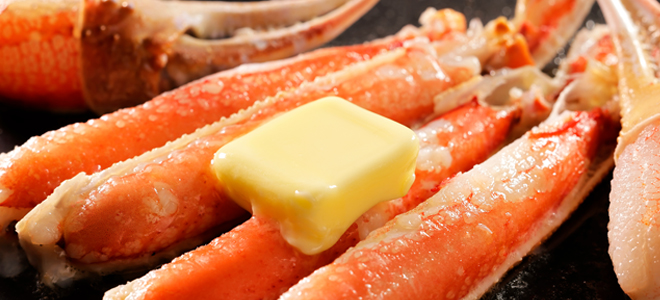
Product Spotlight: Frozen Snow Crab

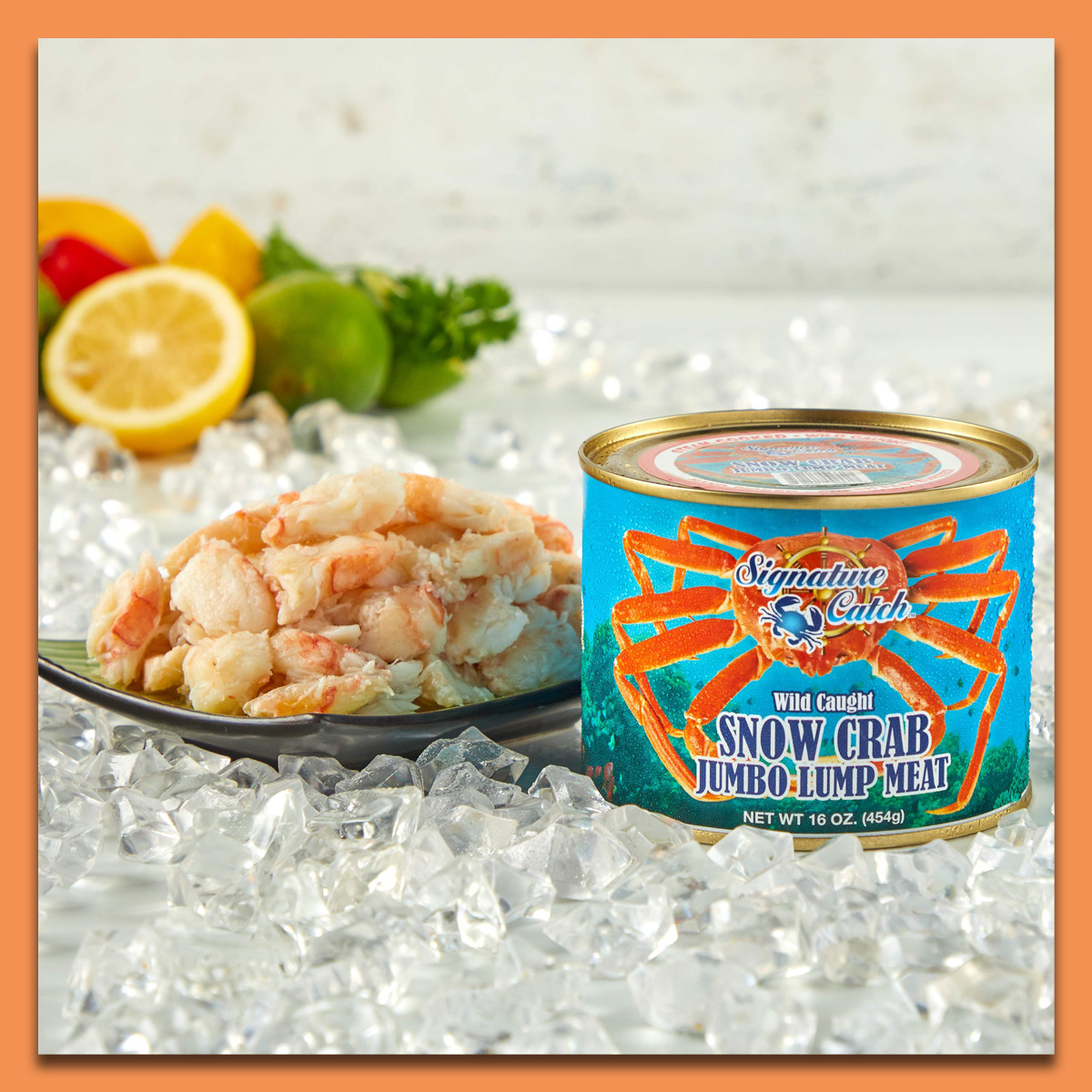
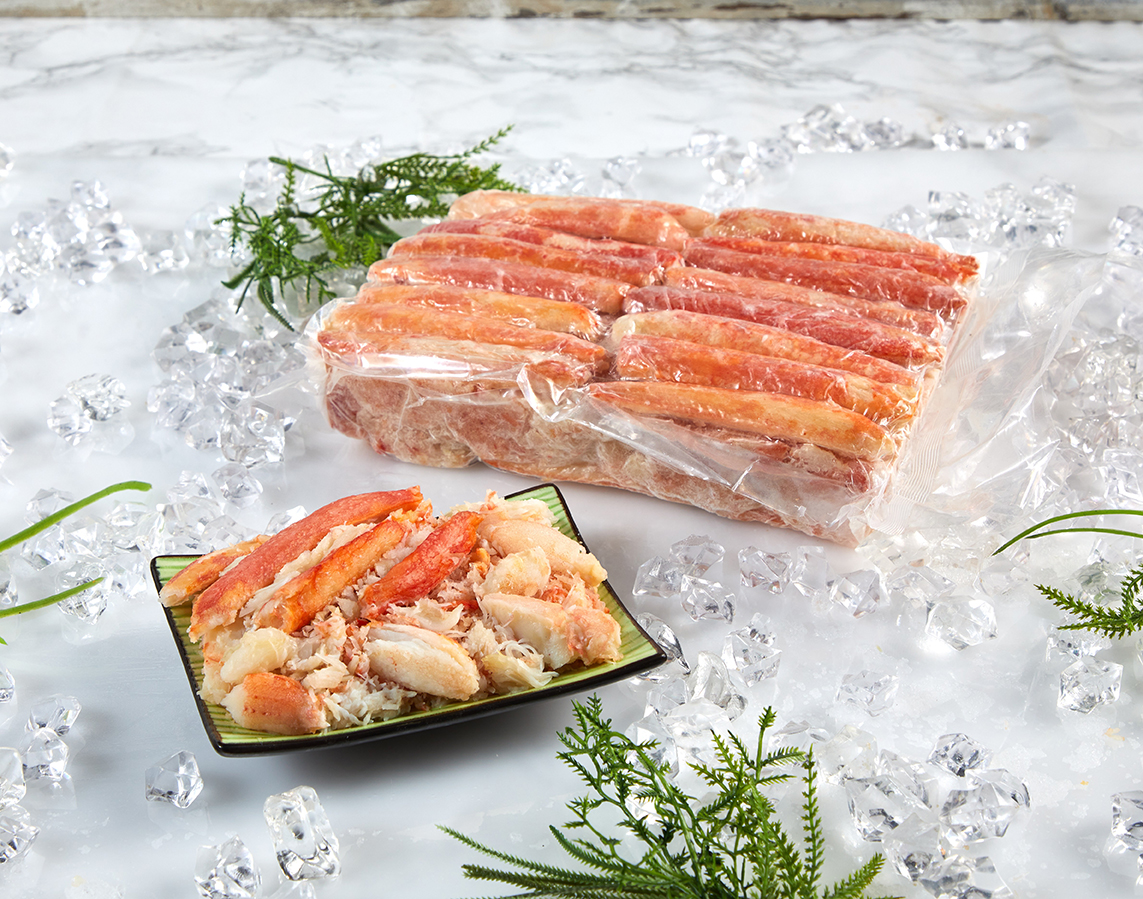
Introducing Signature Catch Frozen Snow Crab Meat, the hassle-free way to enjoy Snow Crab meat without picking it yourself. Our crabs are expertly captured from the wild, then frozen in brine to preserve their exquisite flavor and texture. They are then shipped to Indonesia, where skilled hands meticulously handpick the meat, ensuring it remains shell-free with minimal (if any) cartilage.

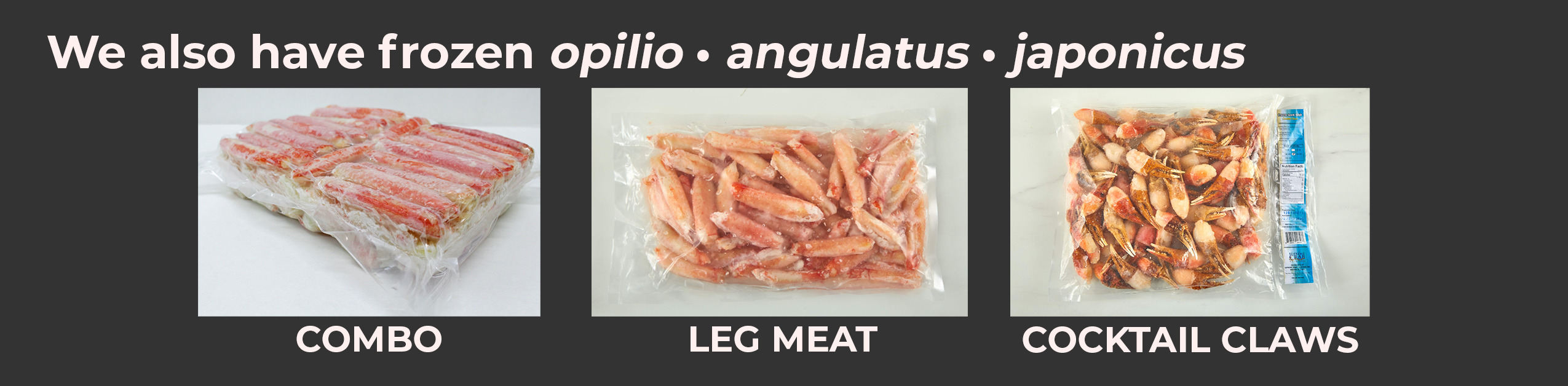
We understand that your needs vary, which is why we provide you with three enticing All Natural package options. The Combo pack presents a delectable 70/30 combination of both leg meat and body meat, offering a satisfying balance. If you prefer using leg meat alone, we have a smaller 1lb. package dedicated to just leg meat. Additionally, for those seeking a delightful appetizer or garnish, our cocktail claws always please the palate.
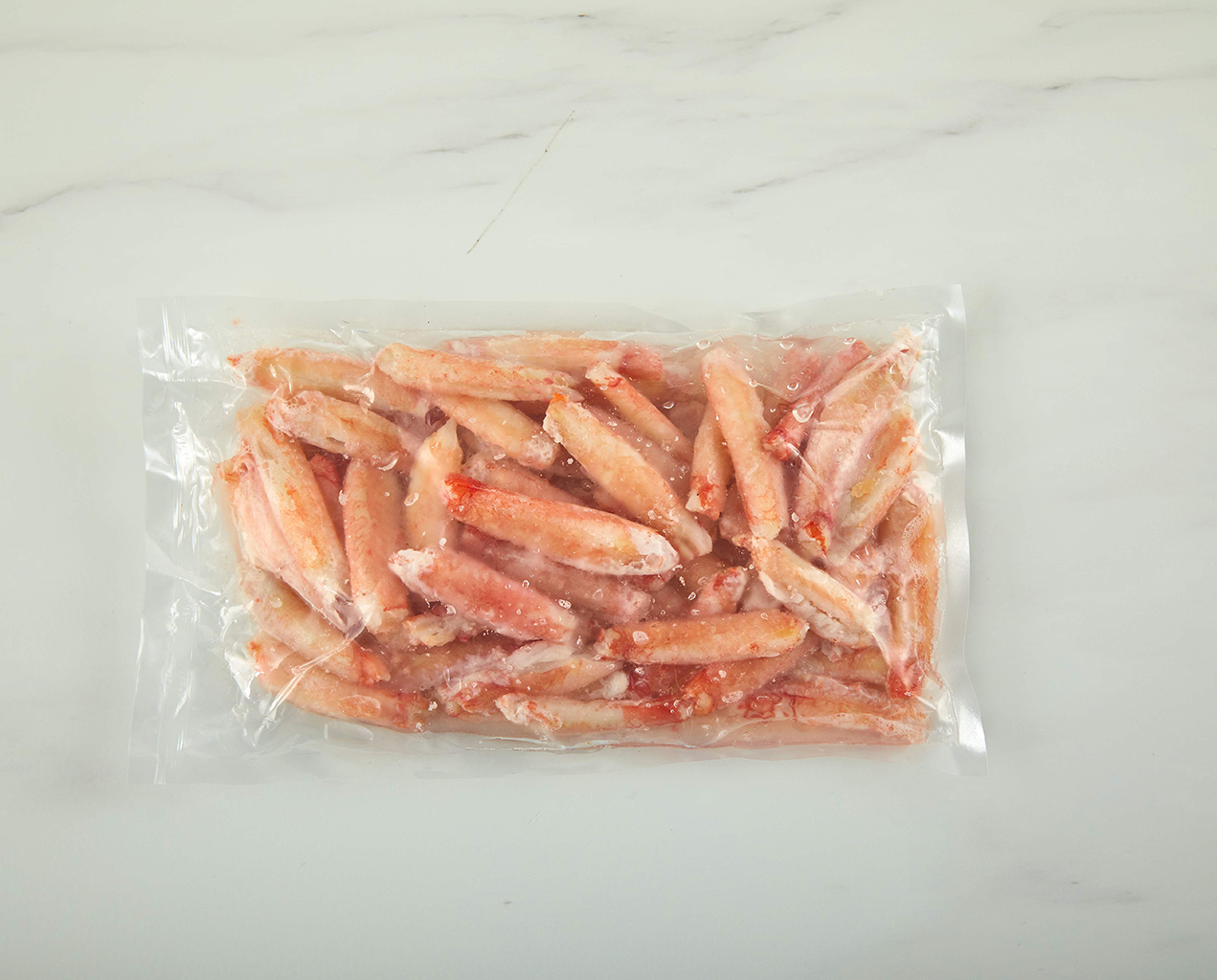
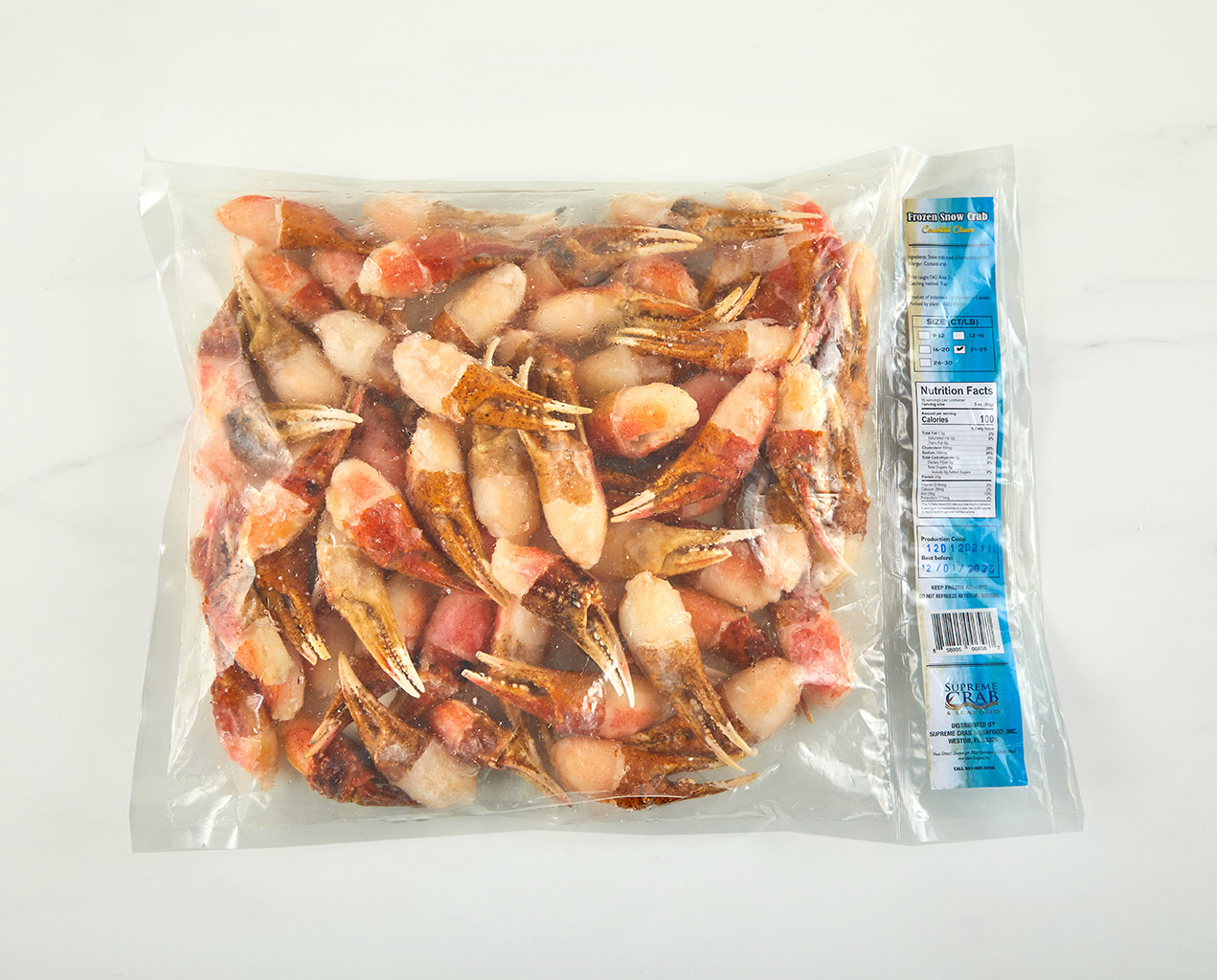
At Supreme Crab, we believe in offering a diverse selection to cater to your discerning tastes. That’s why we proudly offer three different species from the esteemed Chionoecetes genus. Our MSC certified Opilio Snow Crab Meat is meticulously harvested in Canada, ensuring top-notch quality. For another snow crab specie that looks and tastes very similar, we bring you the angulatus species, carefully sourced from Japan and still handpick. Finally, our japonicus variety is harvested in Korea, and handpicked as well.  Although it is not a snow crab, the flavor and color is almost identical.  Further, it isn’t machine picked like traditional japonicus, so it is much chunkier with better flavor guaranteeing a wonderful culinary experience for less money.

Experience the convenience, variety, and exquisite flavor of Signature Catch Frozen Snow Crab today!
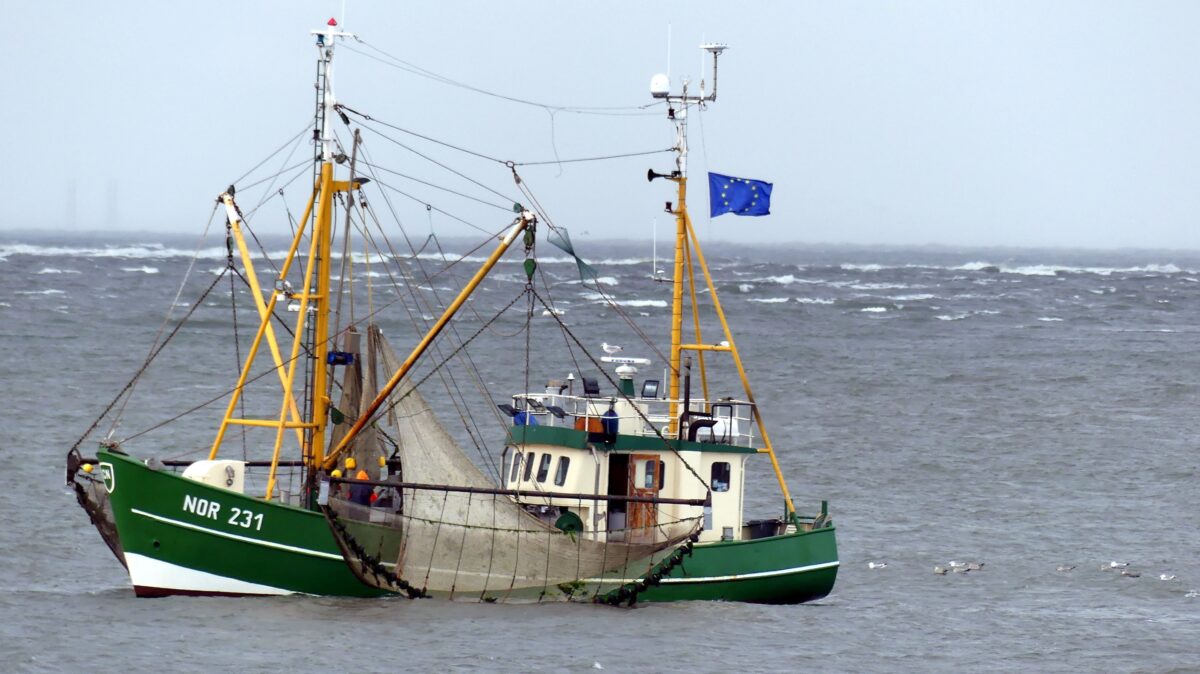
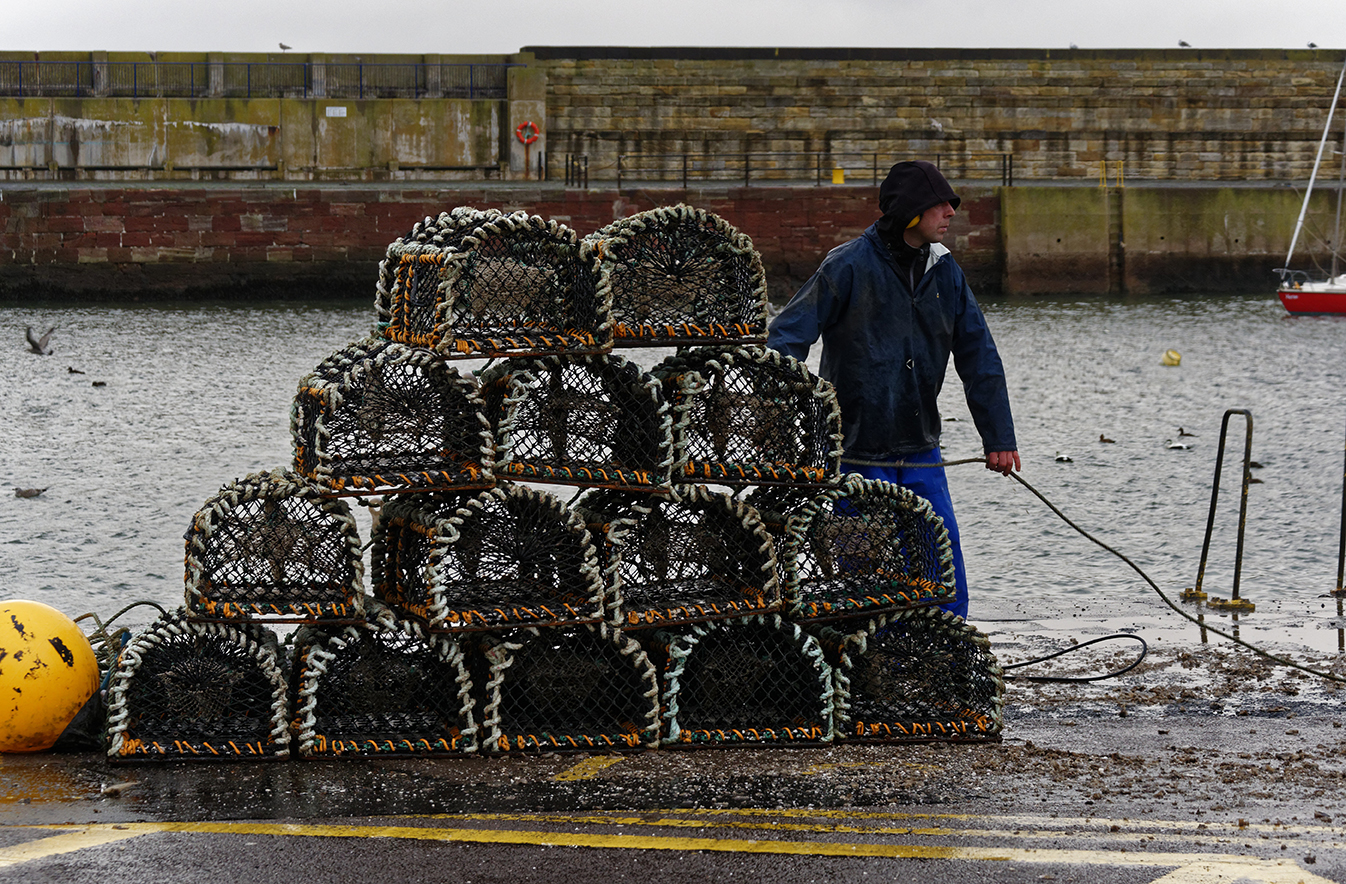
Canadian Snow Crab Season comes to a close and harvest facts are in

The Canadian Snow Crab Season has come to a close, and although the Gulf of St. Lawrence successfully reached nearly 100% of their quota, the FFAW issued a warning last week indicating that harvesters in Newfoundland and Labrador would likely fall short of landing their entire quota.

Harvesters in Newfoundland and Labrador faced a six-week hiatus due to disagreements over pricing, resulting in a significant delay. They have now been back on the water for five weeks, but according to preliminary data from Fisheries and Oceans Canada (DFO), as of June 11, they have only harvested 27% of their quota. The DFO reports that there are still 40,057 metric tons of snow crab remaining in the waters of Newfoundland and Labrador.

The likelihood of achieving the full quota this year is diminishing, with nearly 70% of license holders believing that they will not have the opportunity to harvest their complete quotas this season. In contrast, the Gulf of St. Lawrence, as of June 13th in the Maritimes Region, has almost reached their full quota, while CFA 23-24W has landed less than 47% of their quota, leaving 3,911.863 metric tons still unharvested.


With the Canadian Snow Crab attracting attention in the seafood industry and whether shortages will begin to occur later in the year or prices will increase for Canadian product, alternative snow crab species from Japan (Chionoecetes angulatus) and Korea (Chionoecetes japonicus) are gaining popularity. These species offer a delicious product and excellent value as alternatives to the Canadian Snow Crab.

The original article pre-edited is available at SeafoodNews.com.

Study finds lower risk of cardiometabolic disease linked to seafood consumption

A recent study published in the European Journal of Nutrition has shown that regularly consuming seafood is associated with a reduced risk of cardiometabolic disease. The research, titled “Prospective associations between diet quality, dietary components, and risk of cardiometabolic multimorbidity in older British men,” was part of a 20-year initiative to investigate the prevalence of cardiometabolic issues among older populations globally. The study was conducted to aid the World Health Organization (WHO) in monitoring cardiovascular disease rates in the U.K.

The study focused on men aged 60 to 79 and found that those who included seafood in their diet once or twice a week had a lower likelihood of developing multiple cardiometabolic diseases, including hypertension, diabetes, and cardiovascular diseases like coronary heart disease, which can lead to heart attacks.

While the study did not reveal significant associations between overall dietary patterns, quality, or composition and the risk of developing multiple cardiometabolic diseases, it did observe that increased consumption of seafood and fish was linked to a decreased risk of an initial cardiometabolic disease progressing into a multimorbidity condition. In other words, men who experienced one cardiometabolic issue, such as type 2 diabetes, a heart attack, or a stroke, were less likely to see their condition worsen if they consumed seafood regularly.


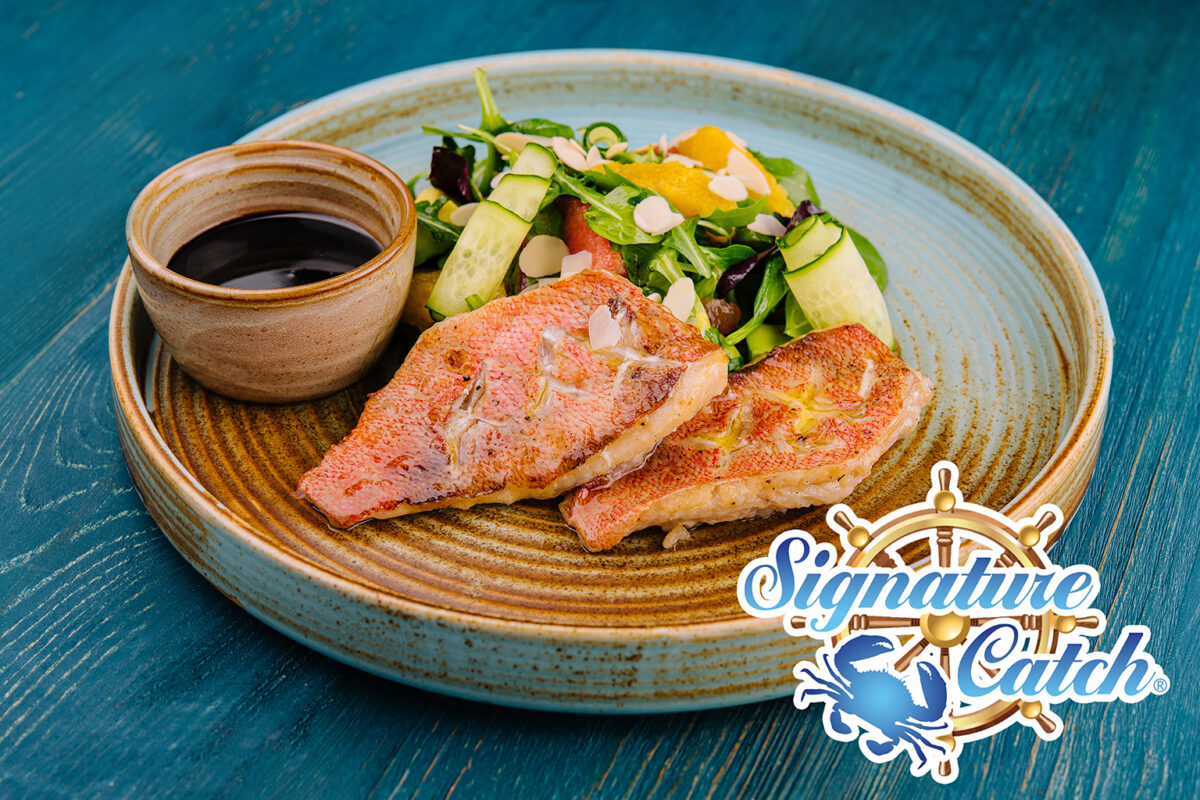
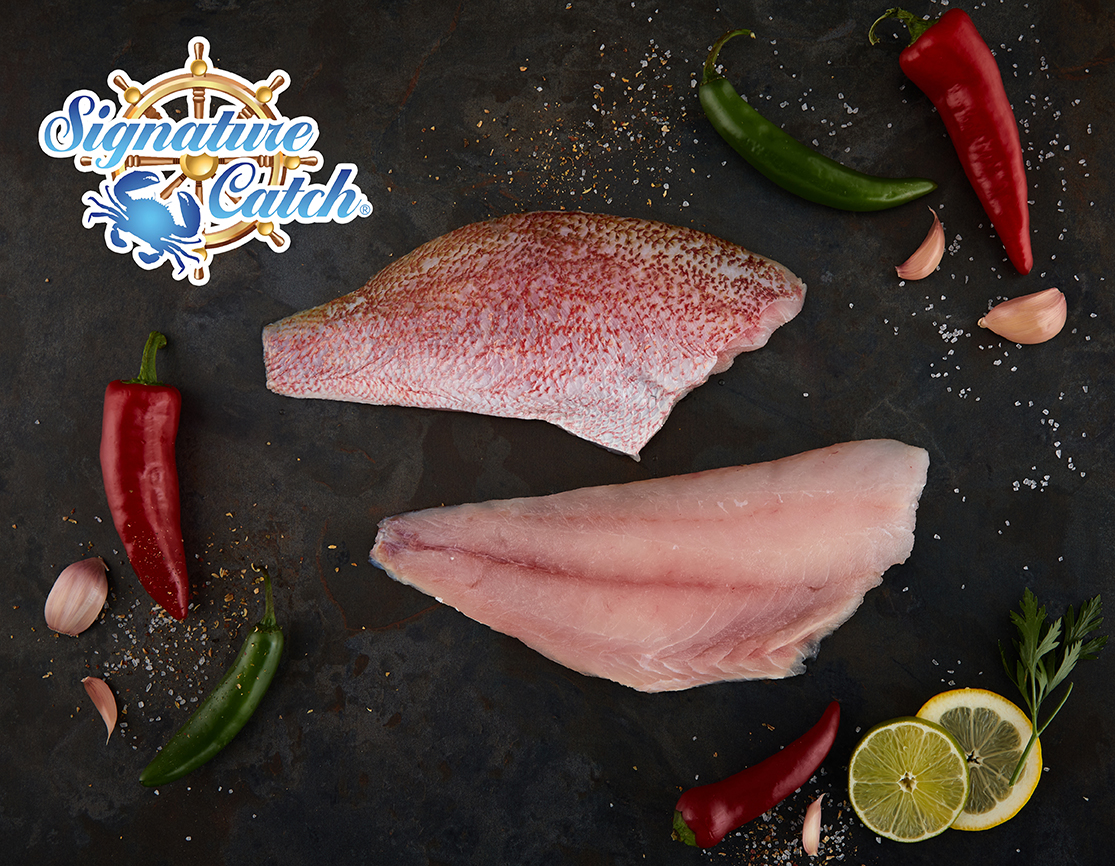
Signature Catch Crimson Snapper
Furthermore, the study indicated that adhering to a Mediterranean diet is also associated with a lower risk of acute myocardial infarction, type 2 diabetes, and strokes. Additionally, individuals who consumed higher quantities of vegetables, fruits, whole grains, and seafood had a reduced risk of stroke, coronary heart disease, and type 2 diabetes, according to the findings of the study.

The original article pre-edited is available at Seafoodsource.com.

The World Meteorological Organization (WMO) anticipates an increased likelihood of El Niño

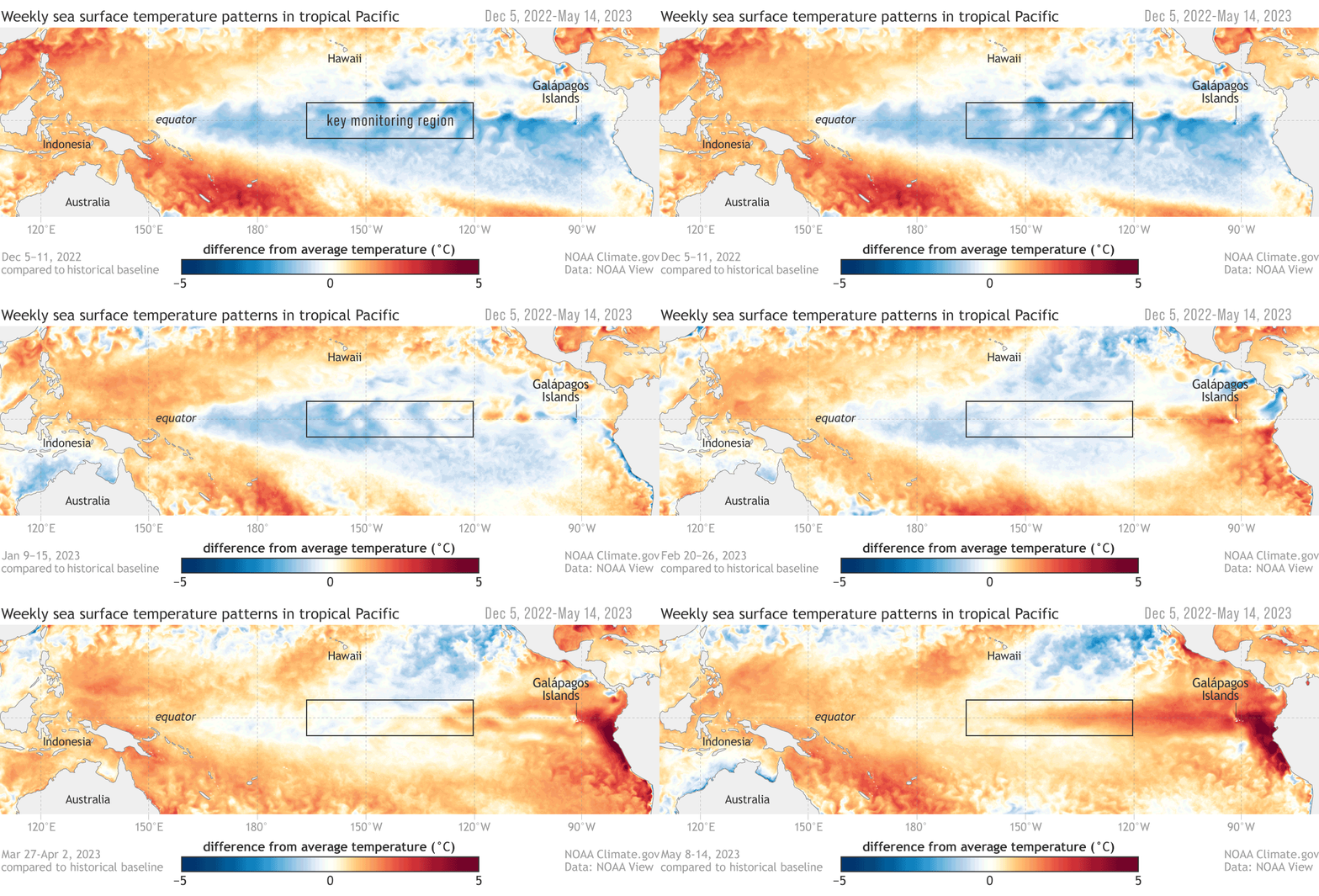
The World Meteorological Organization (WMO) anticipates an increased likelihood of El Niño throughout the remaining year, which would bring contrasting effects on weather and climate patterns compared to the preceding three-year period dominated by La Niña. Currently, the tropical Pacific is in an ENSO-neutral state, with neither El Niño nor La Niña prevailing. The potential arrival of El Niño could contribute to higher global temperatures.

The probability of transitioning to El Niño rises from 60% between May and July to 80% from July to September. However, information regarding the duration and intensity of this El Niño event is currently unavailable. In 2016, the combination of the previous El Niño event and human-induced warming resulted in the warmest year on record. Since the full impact typically takes a year to manifest, the complete consequences of this potential El Niño event may not be fully evident until 2024.

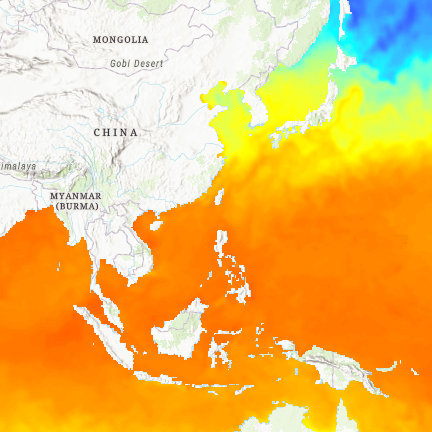
El Niño’s influence on weather patterns is extensive, causing droughts in Indonesia and Southern Asia while increasing rainfall in the Southern United States. Additionally, it can fuel the development of powerful hurricanes and have lasting effects on marine life. The severity and duration of the event will determine the extent of extreme weather occurrences and its impact on the ocean ecosystem.
Put in News on website

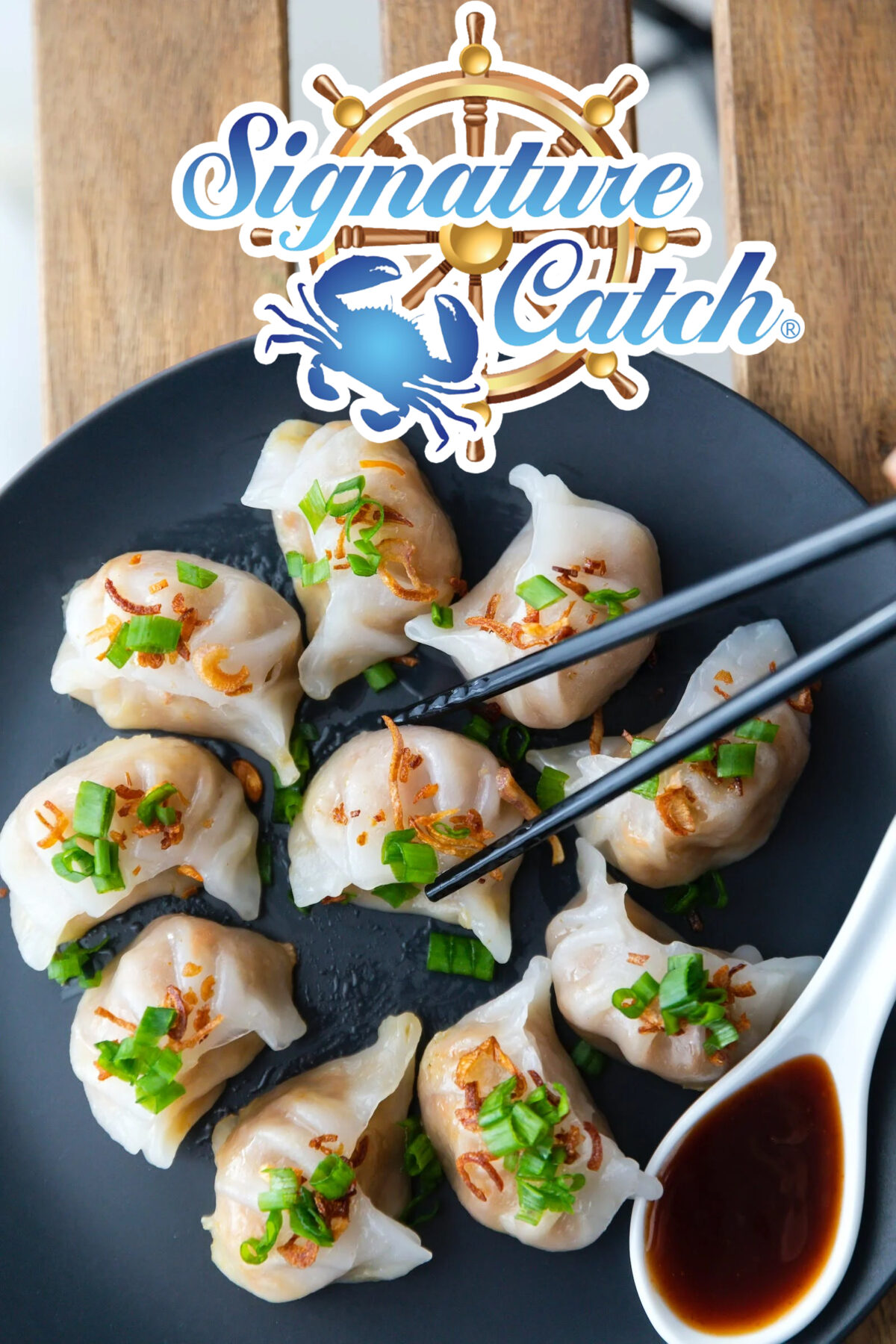
Steamed Crab Dumplings

2 cups finely chopped cabbage
Kosher salt
16 ounces Signature Catch® Frozen Special thawed
4 ounces mushrooms, chopped
½ tablespoon finely minced garlic
½ tablespoon finely minced ginger
1 tablespoon mirin
2 teaspoons toasted sesame oil
1 tablespoon fish sauce (more, if needed)
½ teaspoon black pepper
50 thin dumpling wrappers
Chopped scallions and sesame seeds for garnish

Place the cabbage in a colander and sprinkle it with ½ teaspoon of salt. Allow it to sit over a bowl for 20 minutes.
Wrap the cabbage in a cheesecloth or a clean kitchen towel. Squeeze out and discard the excess liquid. Transfer the drained cabbage to a clean bowl.
Add crab, mushrooms, garlic, ginger, mirin, sesame oil, ½ teaspoon salt, fish sauce, and pepper to the bowl with the cabbage. Taste and add more fish sauce if desired.
To assemble the dumplings, take a dumpling wrapper and place it on a flat surface. Moisten the edge of the wrapper with water using your finger.
Put approximately 1 tablespoon of the filling in the center of the dumpling skin.
Fold the dumpling in half and pinch the center together. Create 4-5 pleats on the right side of the dumpling, starting from the center. Repeat on the left side, ensuring that all pleats point towards the center.
Moisten one corner of the dumpling and fold/coil the other end together. Pinch and seal to create an enclosed pouch.
Place the assembled dumpling on a baking sheet and continue with the remaining filling and wrappers until all are used.
To cook the dumplings, line a steamer with cabbage leaves or parchment paper and arrange the dumplings inside. Steam for 7-8 minutes.
Transfer the steamed dumplings to a platter and garnish with scallions and toasted sesame seeds on top.

Useful for a wide range of recipes, Signature Catch Frozen Swimming Crab Special is wild caught, hand-picked premium blue swimming crab. Quickly frozen to bring you only the best quality, crab in convenient packaging.

Snow crab prices increase after two weeks of harvest.

The snow crab harvest in Newfoundland and Labrador has entered its third week, with some improvements seen in the catch price and the smooth operation of processing plants. Jeff Loder, the executive director of the Association of Seafood Producers, stated that the readiness of producers contributed to the smooth start. Out of the province’s 22 crab processing plants, 20 are currently in operation, and thousands of people have returned to work both on the water and on land. Approximately 11 percent of the quota, which is around 54,000 metric tons, has been processed so far.

Market conditions have also improved, leading to an increase in the minimum catch price from $2.20 to $2.25 per pound, which will take effect on Sunday. Loder expressed hope for further price increases, emphasizing the importance of sharing the value created by the snow crab fishery according to existing agreements.

However, tensions between the Association of Seafood Producers and the Fish, Food & Allied Workers union continue to simmer. Some unresolved issues include trip limits for fishing vessels, changes in the policy regarding smaller crab, and allegations of discrimination against the under-40 fleet by some companies. Trip limits and other matters are being discussed, and federal fisheries officers are enforcing the trip limits specified in licenses.

There have been reports of delays for harvesters waiting several days before returning to the fishing grounds after landing their catch, which raises concerns about whether the entire quota can be caught this year. The FFAW-Unifor union is focused on ensuring a fair chance for all participants in the harvest and is engaging in talks over the weekend. The union opposes the decision to reduce the tolerance level for smaller crab with shells under four inches. Previously, harvesters were paid the minimum price even if up to 20 percent of their catch fell under this category. However, this year a 30-cent penalty will be applied to all crab under four inches.

Regarding allegations of discrimination against the under-40 fleet, Loder denied the claims and emphasized that every harvester could not go fishing on the first day. He stated that there has been no discrimination and requested a more respectful conversation.

This year’s snow crab harvest in Newfoundland and Labrador has faced significant challenges and tensions due to disagreements over revenue sharing and collapsing markets. The fishery was initially scheduled to begin in early April but was delayed as harvesters refused to untie their boats after the price-setting panel established a lower arbitrated price of $2.20 per pound, compared to previous years with higher prices.

The original article pre-edited is available at SeafoodNews.com.

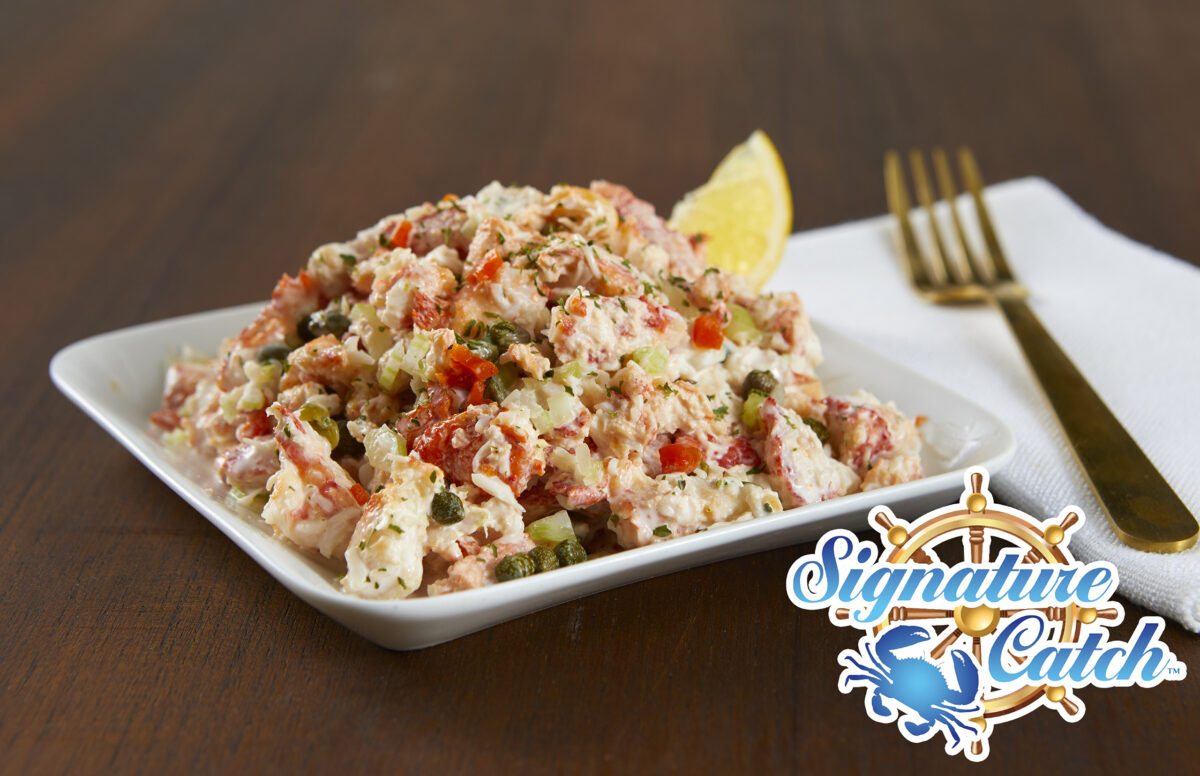
Signature Catch Snow Crab Salad

1 lb. can Signature Catch Deep Sea Crab

½ c. mayonnaise

2 t. Lemon juice

2 T. Sour Cream

1t. Tabasco sauce

1/4 c. inner celery stalks finely minced

1/4 c. red bell pepper seeded and finely minced

2 T. fresh parsley, minced

¼ C chopped scallions

Old Bay Seasoning & pepper to taste

In a large bowl, combine the mayonnaise, lemon juice, sour cream, and Tabasco sauce. Stir until the mixture is smooth and well combined.

Add the diced celery, bell pepper, parsley, and scallions to the bowl. Stir until the vegetables are evenly coated with the dressing.

Taste the mixture and season with salt and pepper according to your preference. Remember that the crab meat will also add some natural saltiness, so adjust accordingly.

Gently fold in the crab meat, being careful not to break it up too much. You want to coat the crab meat with the dressing without mashing it.

Once all the ingredients are combined, refrigerate the crab salad for at least 30 minutes to allow the flavors to meld together.

Serve chilled and enjoy your delicious crab salad!

Note: This recipe is a basic guideline, and you can adjust the ingredients and seasonings to suit your taste preferences

Snow Crab fishing to start after agreement reluctantly signed.

The snow crab fishing season in Newfoundland and Labrador was delayed due to unsuccessful negotiations between the Fish, Food & Allied Workers (FFAW) and the Association of Seafood Producers (ASP). However, after weeks of standstill, the FFAW’s Snow Crab Bargaining Committee reluctantly agreed to sign off on a final offer from ASP to start the crab fishery for the 2023 season.

Under the agreement, the fishery will begin at a minimum price of $2.20, as set by the Standing Fish Price Setting Panel. However, the agreement includes incremental increases tied to the Urner Barry (UB) price. If the UB price increases to $4.85, the price will move up to $2.25. If the UB price increases to $4.95, the price will be $2.30. If UB price increases to $5.50 and $6.00, the prices will be $2.60 and $2.75, respectively. If the UB price surpasses $6.01, there will be reconsideration. It’s important to note that this agreement is valid only for the 2023 season and is without prejudice.

“In a press release, FFAW President Greg Pretty expressed the Committee’s discontent with the signing of the deal, stating, ‘Nobody on the Committee is happy to be signing this deal today.’ He emphasized the extensive efforts undertaken by the Committee, consisting of numerous volunteer hours, to seek a more favorable outcome for harvesters. The industry’s prolonged standstill of over six weeks presented immense challenges on multiple fronts. Despite the hope for market improvements in recent weeks, these expectations did not materialize, ultimately cornering the Committee into the agreement.

Furthermore, FFAW disclosed that the agreement with ASP was contingent upon Premier Furey’s public commitment to overhaul the final offer selection process and work towards a formula before the 2024 season.

The Standing Fish Price Setting Panel, established in 2006, holds the responsibility of annually identifying fish species for collective bargaining in consultation with stakeholders. It plays a crucial role in collecting and disseminating market information, defining negotiation parameters, facilitating collective bargaining, conducting hearings, and serving as an arbitration panel when necessary to set fish prices in cases of disagreement. The Panel comprises three members, including a chairperson appointed by the Lieutenant-Governor, a member representing the certified bargaining agent appointed by the Lieutenant-Governor, and a member representing the processors’ organization.

The Panel conducts hearings on various species in the absence of binding agreements, including halibut, crab, lobster, spring shrimp, lumproe, whelk, cod, sea cucumber, turbot, capelin, summer shrimp, herring, squid, mackerel, and fall shrimp. Snow crab is one of the most contentious species involved in the Panel’s proceedings. As per the Fishing Industry Collective Bargaining Act, if FFAW and ASP fail to reach an agreement, the panel must hear and consider their submissions on price and conditions of sale, making a final and binding decision on the parties and all other processors involved in processing the species.

This year, ASP remained steadfast in their adherence to the Price Setting Panel’s decision, selecting their price offer of $2.20. However, one of the panel members acknowledged that the “correct” price might lie between the two positions. Despite multiple failed negotiation attempts between FFAW and ASP over the past few weeks, both groups engaged in accusations against each other.

While the Newfoundland and Labrador snow crab harvest is currently facing challenges, it’s worth noting that there are alternative species within the Chionoecetes genus from other regions that can help meet the demand for snow crab in the market. Specifically, Chionoecetes angulatus, harvested in Japan, and Chionoecetes japonicus, harvested in Korea, are two such species.

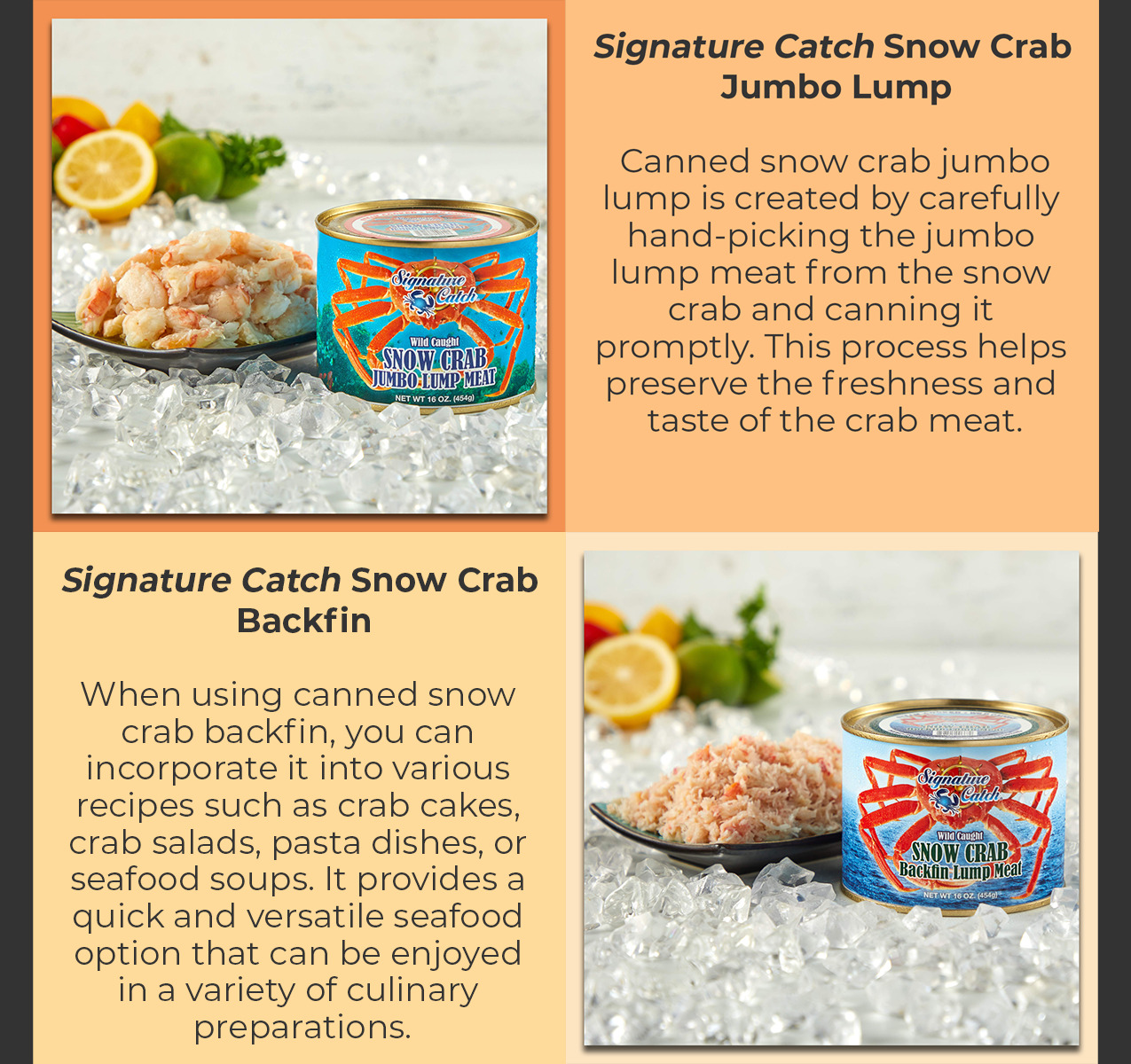
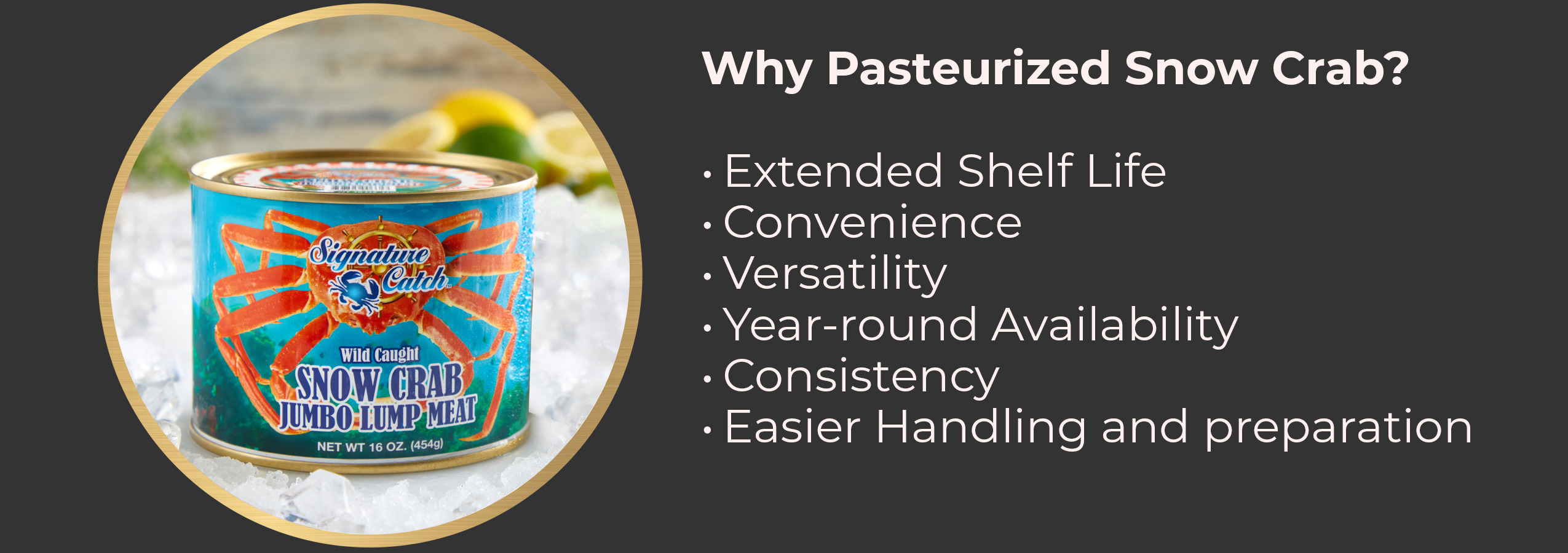
These alternative species offer a viable solution to fill any gaps in the snow crab market. They provide a delicious and cost-effective option for consumers and businesses alike. Whether in frozen form or pasteurized cans, these alternatives ensure that the availability of crab meat remains stable and offers a variety of options to cater to different culinary preferences.

It’s important to highlight that while the Newfoundland and Labrador snow crab harvest may be experiencing challenges, the presence of alternative species allows for a continuous supply of high-quality crab products. This ensures that consumers can still enjoy the unique flavors and textures associated with snow crab, even if it’s sourced from different regions.

As the industry adapts to the evolving market dynamics, exploring these alternative options can provide opportunities for both suppliers and consumers to continue enjoying the culinary delights of the Chionoecetes genus. So, rest assured that the availability of snow crab is not in jeopardy, thanks to the availability of these delicious and cost-effective alternatives.

The original article pre-edited is available at SeafoodNews.com.

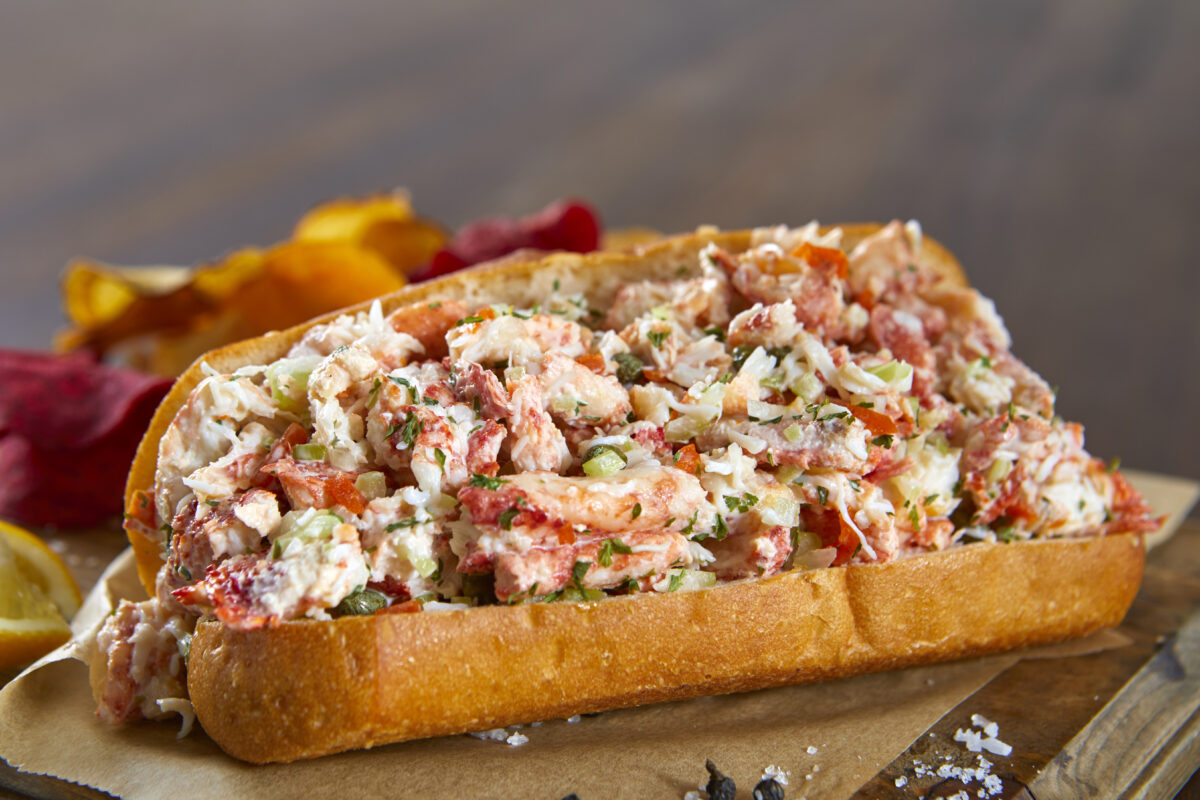
Crab Salad “Lobster” Roll

A scrumptious crab salad nested in a roll is deliciously reminiscent of a lobster roll. The combination of the flavorful crab meat, tangy dressing, and crunchy vegetables creates a delightful texture and taste.

Ingredients:

• 1 lb. Supreme Catch Snow Crab
• ½ cup mayonnaise
• 2 teaspoons lemon juice
• 2 teaspoons lime juice
• 1 teaspoon Tabasco sauce (adjust according to your spice preference)
• 1/3 cup inner celery stalks and leaves finely minced.
• 2 tablespoons fresh parsley, minced.
• ¼ cup chopped scallions
• Salt and pepper to taste

Instructions:

Drain the crab meat: Start by draining the crab meat to remove any excess liquid. Gently shake or press the crab meat to remove any remaining liquid.

Prepare the dressing: In a mixing bowl, combine the mayonnaise, lemon juice, lime juice, Tabasco sauce, minced celery, minced parsley, chopped scallions, salt, and pepper. Stir the ingredients together until well combined.

Combine the crab meat and dressing: Add the drained crab meat to the dressing mixture. Gently fold the crab meat into the dressing using a spatula or spoon. Be careful not to break up the crab meat too much, as you want to maintain its texture and chunkiness.

Adjust seasoning: Taste the crab salad and adjust the seasoning to your liking. Add pepper, or any other desired seasonings to enhance the flavor.

Serve on a buttered toasted roll: To assemble the crab salad roll, take a soft roll of your choice, butter the cut sides of the roll and lightly toast them in a pan or under a broiler until they become golden and slightly crispy.

Next, scoop a generous amount of the crab salad mixture onto the bottom half of the toasted roll. Spread it evenly or pile it up according to your preference. Top it with the other half of the roll.